





The best insurance for your lab-grown diamond is the policy that would put the right jewelry back in your hands after a loss. Compare the events it covers, the deductible, the replacement terms and the complete annual premium—not just the lowest monthly payment.
BriteCo is our first place to compare a standalone jewelry policy. Jewelers Mutual is another strong specialist option. If you already insure your home or rent through another company, compare its extra jewelry cover too. The six providers below offer different routes, rather than six identical policies at different prices.
This comparison focuses on US coverage. Ask a licensed insurance agent to explain the policy available to you, especially its exclusions and settlement terms. A provider's overview helps you compare; your issued policy sets the cover for your piece.
Six jewelry insurance providers to compare
| Provider | Why consider it | What to compare |
|---|---|---|
| BriteCo | Standalone jewelry cover with preventive maintenance and no deductible | Your quote, replacement terms and eligible repairs |
| Jewelers Mutual | A jewelry specialist covering many types of pieces and loose stones | Coverage form, repair provisions and deductible choice |
| State Farm | Personal articles cover alongside existing property insurance | Scheduled value, policy eligibility and pair/set options |
| Chubb | Valuable Articles cover with a cash-settlement option for total losses | Agreed value, collection needs and quote |
| Allstate | Scheduling valuable jewelry on property insurance | Added risks, limits and deductible |
| Liberty Mutual | Blanket jewelry cover for renters with several pieces | Collective limit, per-item terms and damage cover |
1. BriteCo: our starting point for standalone cover
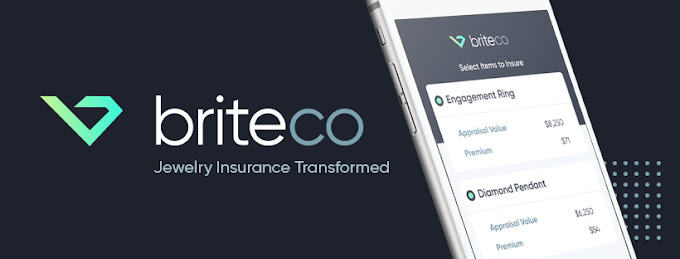
We like BriteCo's combination of jewelry-specific protection, preventive maintenance and a zero deductible. Its published overview includes loss, theft, accidental damage and unexplained disappearance, with worldwide protection. It also describes repairs such as prong retipping, clasp replacement and stone tightening. See BriteCo's coverage overview.
Those features are useful for a ring worn often. Compare the repairs included, how replacement works and the quote for your own piece. An annual-payment discount is advertised, so check the annual total against monthly payments.
BriteCo considers applications for jewelry of any value, following a change announced on August 31, 2026. Its insurer still needs to approve the piece or collection. Read the coverage-limit announcement.
2. Jewelers Mutual: a specialist alternative
Jewelers Mutual is a jewelry specialist founded in 1913. Its coverage page includes rings, earrings, necklaces, watches and loose stones, with protection for loss, theft, damage and unexplained disappearance, plus worldwide travel.
It also describes preventive repairs such as prong work and stone tightening, while listing exclusions including deterioration and inherent defects. That distinction matters: maintenance benefits do not mean every gradual change or pre-existing weakness is covered. See Jewelers Mutual's coverage details.
Compare its actual quote and repair terms with BriteCo. We would not assume it will always cost more. The better choice is the combination of price, cover and claims arrangements for your jewelry.
3. State Farm: an option alongside property insurance
State Farm's Personal Articles Policy provides a way to schedule valuable belongings beyond ordinary home or renters limits. Its page describes worldwide jewelry protection, replacement-cost cover and generally no deductible.
It also describes an optional broader pair-and-set benefit. That is worth asking about for earrings: losing one earring raises a different replacement question from losing a single-stone pendant. See State Farm's Personal Articles Policy.
The page presents this cover as a companion to property insurance. Ask the agent about eligibility, the itemized value and how a jewelry claim would be handled. Compare the jewelry protection itself rather than unrelated benefits from another insurance product.
4. Chubb: flexible protection for valuable pieces
Chubb's Valuable Articles jewelry cover is worth comparing when agreed value and settlement choice are important. Its US page describes worldwide protection for most losses, no deductible and a cash-settlement option for total losses.
That last feature can matter if you would prefer cash rather than the insurer arranging a replacement. Check the agreed amount and how the settlement works for the piece you want to insure. See Chubb's jewelry coverage.
Ask for a quote rather than assuming that a policy for valuable collections is automatically expensive or cheap. Your jewelry, location and coverage needs determine whether it is a good fit.
5. Allstate: scheduling jewelry on a property policy
Allstate explains scheduled personal property as an optional way to add protection for specific valuables. Scheduling can increase the covered amount and add risks such as accidental loss, with lower- or no-deductible options depending on the cover selected. Read Allstate's explanation of scheduled property.
It is a useful comparison if you already have property insurance there. Ask for the jewelry schedule and the added premium, then compare them with a separate policy. Check the replacement process and claims documents rather than judging the cover from the home policy's overall limit.
6. Liberty Mutual: blanket jewelry cover for renters
Liberty Mutual advertises optional Blanket Jewelry coverage for renters. Its page describes protection for jewelry that is lost or stolen, with no deductible or up-front appraisal. A blanket amount covers the jewelry together rather than itemizing every piece. See Liberty Mutual's blanket jewelry option.
That approach may be convenient for several pieces. Check the collective limit, any single-item conditions and whether accidental damage is included in the cover you are offered. For one particularly valuable ring, compare the blanket option with an itemized or specialist policy.
Compare the events covered
Start with the events that would worry you most. A ring lost while swimming, a chipped stone and a burglary are different situations. Do not assume that a policy covering one necessarily covers the others.
| Question | Why it matters |
|---|---|
| Is accidental loss covered? | A piece can be left behind or slip off without being stolen. |
| Is unexplained disappearance covered? | You may not know exactly when or how it went missing. |
| Is accidental damage covered? | A stone can chip or a setting can bend. |
| What happens if a diamond falls out? | The missing stone and the damaged setting may need different work. |
| Are preventive repairs included? | Tightening a stone or repairing a prong can prevent a larger loss. |
| How is replacement decided? | The policy may arrange a similar replacement, pay repair costs or offer cash. |
Ask about exclusions that relate to the way you wear and store the piece. Clear answers before buying are more useful than a broad phrase such as “comprehensive protection.”
Understand the cost, not just the monthly payment
The premium is what you pay for the policy. The deductible is the amount you pay toward a covered claim. A lower premium with a larger deductible is a different purchase from cover with no deductible.
BriteCo publishes an estimated annual rate of 0.5–1.5% of appraised value. Its $10,000 ring example is $50–$150 per year. These are the provider's illustrations, not a quote for every lab-grown ring. See BriteCo's ring-insurance cost examples.
Get quotes using the same jewelry description, insured value, address and deductible. Compare the annual bill, including any installment charges, and ask about discounts for annual payment, a safe, an alarm or multiple pieces. Count only discounts included in your quote.
Lab-grown diamonds can cost less to replace than comparable mined diamonds, but the setting, metal and workmanship still matter. Check that the insured amount reflects the complete piece and the insurer's replacement basis. An inflated appraisal is not automatically helpful if it raises the premium without changing what a covered replacement would cost.
Assess customer service before you need it
Use your questions as a small test of how clearly the provider explains its cover. Ask who handles a claim, which documents are needed and whether you can use your usual jeweler. A useful answer should explain the process without promising that every possible loss will be paid.
Read external customer reviews for patterns in communication, repairs and claim handling. Consider the complaint, the provider's response and how recent it is. A few positive testimonials or a single angry review do not establish the whole claims record.
For a larger purchase, ask the licensed agent about the insurer underwriting the policy and where to find its complaint information. Keep the quote and the written explanation of any feature that matters to you.
Specialist jewelry insurance and lab-grown diamonds
A specialist jewelry provider may offer broader protection and a more jewelry-focused repair process than ordinary contents cover. It does not need to sell a lab-grown-only policy to insure your ring or necklace.
Give an accurate description of the stone as lab-grown, with its report details and the setting information. The replacement should reflect the jewelry you insured. If you have a distinctive cut, colored diamond or custom setting, ask how the insurer would find an equivalent piece.
What does a special lab-grown policy add?
Focus on the actual benefits rather than the label. Ask about accidental breakage, a lost center stone, repairs, worldwide use and replacement quality. Those details matter more than whether the marketing uses “lab-grown” in the policy name.
Preventive maintenance, accidental damage and deterioration are separate questions. Ask which repairs are included and what happens when a piece is already worn or damaged. Arrange necessary repairs instead of assuming new cover will pay for an existing problem.
Other ways to insure diamond jewelry
Homeowners' and renters' insurance
Your home or renters policy may already protect some jewelry, but category limits, covered events and deductibles can leave a gap. Check the jewelry limit, any per-item limit and the events covered, not only the total contents amount.
Scheduling a piece means listing it separately with an agreed insured amount. A blanket option covers a group of jewelry up to a collective limit. Compare the extra premium and protection with a standalone policy. Do not assume standard home insurance includes accidental loss, unexplained disappearance or flood cover.
Specialist diamond jewelry insurance
Separate jewelry insurance can be a straightforward choice when you want the piece described clearly and protected beyond basic contents cover. Compare the deductible, repair arrangements, travel protection and how claims are recorded.
For loose diamonds, ask specifically about cover while the stone is being set or transported to the jeweler. Fine-jewelry cover and a short-term shipping arrangement are not necessarily the same product.
Credit-card benefits
Read your card's benefit guide if you hope to rely on purchase protection or an extended warranty. Check whether jewelry is eligible, which events count, the time limit and any reimbursement cap. The card used to pay may affect eligibility.
A card benefit tied to a purchase period is not the same as ongoing jewelry insurance. Do not choose a new credit card or assume an existing one replaces a policy without comparing those terms.
Travel insurance
For a trip, check the valuables limit, single-item limit and rules about storage or baggage. A policy that covers a lost suitcase may not cover the full replacement cost of a ring inside it. Medical benefits do not tell you how the jewelry is protected.
If you already have jewelry insurance, ask how its worldwide protection applies to your trip. Compare the two policies before buying overlapping cover, and keep the jewelry documents accessible away from home.
Care and records that help protect your jewelry
Keep the receipt, appraisal if required, grading report, photographs and policy schedule together. Store a secure backup separately from the jewelry. Clear descriptions of the diamond and setting make identification and a replacement discussion easier.
Have a jeweler check loose stones, worn prongs, clasps and other signs of damage. Stop wearing a piece with a loose stone until it is repaired. Cleaning and inspection help you spot problems before a stone is lost; they are not a substitute for secure storage.
Keep track of where you leave jewelry, especially when traveling or taking it off for exercise. Use a suitable safe or other secure storage when it is not worn. For more practical care advice, see our diamond care and cleaning guide.
We buy diamond jewelry to wear and enjoy, not as an investment expected to rise in value. Revisit the insured amount when the piece changes or its replacement cost changes, rather than treating an old appraisal as permanent.
What to do if you need to make a claim
- Contact the insurer promptly. Use the claims route on your policy and ask what to do next. Keep the claim reference and contact details.
- Record what happened. Note the date, location and circumstances. Photograph damage and keep the piece or remaining parts safe.
- Gather the documents. Provide the receipt, appraisal, photographs, grading details and policy information requested. For theft, report it to the police as required and keep the report reference.
- Ask before arranging replacement or major repairs. Find out whether the insurer needs to inspect the piece or approve a jeweler first. Preserve evidence and take reasonable steps to prevent further damage.
- Keep in contact. Ask for the expected next step, supply requested information and keep copies of correspondence. The timing depends on the claim and the documents needed.
Good records help the insurer assess a claim. They do not replace the policy's coverage requirements, so keep the issued terms with the rest of the paperwork.
Diamond jewelry insurance questions
Can you insure lab-grown diamond jewelry?
Yes. Describe the diamond accurately as lab-grown and provide the jewelry details requested. Compare cover for theft, accidental loss and damage, including the cost of replacing the setting as well as the diamond.
Do you need a grading report for insurance?
A grading report helps identify the stone through its measurements, quality details and report number. An appraisal describes value, while a receipt records the purchase. They serve different purposes. The insurer decides which documents it needs, so do not assume every policy requires a GIA or IGI report or that a retailer's authenticity card replaces an appraisal.
Keep any independent report you have. Our insurance and certification guide explains the difference between these documents.
What insurance do you need for jewelry worn often?
Compare accidental loss and damage cover, repair provisions and the deductible. A ring worn daily faces different practical risks from a necklace kept mostly in a safe. Storage does not make theft or fire impossible, but the cover and premium should fit how you use the piece.
For jewelry worth about $2,000–$3,000 or more, we would take the time to compare insurance with the cost of replacing it yourself. That is a shopping prompt, not a rule that cheaper jewelry cannot or should not be insured. Consider the premium, deductible and the loss you could comfortably absorb.
Does insurance cover a diamond falling out of a ring?
It can. Ask about the missing stone, damage to the setting and the cause of the loss. Some policies also include preventive work such as tightening stones or repairing prongs. That is different from a promise to pay for every case of deterioration or an existing defect.
Choosing the right protection
Start with the piece you want to protect and the loss that would matter to you. Compare the same insured value and deductible across quotes, then check the covered events, replacement method and repair terms.
We would start with BriteCo and compare a specialist alternative such as Jewelers Mutual, along with any suitable jewelry option from your existing property insurer. Choose the protection that fits the jewelry and your budget, rather than a familiar logo or the smallest advertised monthly figure.
More about jewelry insurance
Our lab-grown diamond insurance guide covers the broader protection decision. For a custom piece, an unusually valuable collection or unclear exclusions, ask a licensed insurance professional to walk through the policy before you commit.
Questions and experiences
Join the discussion
Ask a question or share your experience. We review comments before publishing them.