




How much does a 1-carat lab-grown diamond cost?
In our latest comparison, a loose one-carat lab-grown diamond cost $240 to $583. We found the lowest prices at Ritani, while Blue Nile was the most expensive of the five sellers we checked.
That range is for close round diamonds from 0.95 to 1.05 carats, with E color, VVS2 clarity, IGI grading, and a high cut grade. It does not include the ring setting. Prices change with inventory and promotions, but the comparison shows why it is worth checking more than one jeweler.
The typical price across the five sellers was $552. We took one benchmark price from each seller, ordered those five prices from lowest to highest, and chose the middle one. Every seller counts once, so Ritani's much larger inventory does not pull the typical figure down.
If you want the shortest answer, start at Ritani. The middle price among its five lowest qualifying results was $240, and the cheapest individual matches started at $235.
Read our Ritani review See one-carat diamonds at Ritani
Find a one-carat diamond in current inventory
Set your budget and priorities below to compare close matches available from our partner jewelers. You can also change the shape or carat weight.
Diamonds available now
Our best matches
Checking current inventory…
Your diamond guide
1.0 ct round lab-grown diamond
Lower-price estimate$200–$320
Your budget gives you room to choose a larger diamond, higher grades, or put more toward the setting.
A good starting point for platinum or white gold.
Check the video to make sure the diamond looks clean to the eye.
A well-cut diamond usually looks better than one with a needlessly high clarity grade.
Choose a diamond with an independent grading report.
Balanced quality: Keeps color and clarity comfortably high while leaving more of your budget for cut, size, or the setting.
Compare sellers
Compare jeweler price estimates
4 seller estimates are within your budget.
Based on our September 2, 2026 price check, before a setting. The live matches above follow your chosen filters; these estimates use the grades in our price study.
| Jeweler | Estimated price | Your budget | Shop |
|---|---|---|---|
| RitaniBased on five closely matched, lower-priced diamonds from our price check. | $240 | Within budget | Browse at Ritani |
| With ClarityBased on one closely matched diamond available during our price check. | $550 | Within budget | Browse at With Clarity |
| Grown BrillianceBased on one closely matched diamond available during our price check. | $570 | Within budget | Browse at Grown Brilliance |
| Blue NileBased on five closely matched, lower-priced diamonds from our price check. | $580 | Within budget | Browse at Blue Nile |
How we estimated the price
We used our price check nearest your chosen carat weight and adjusted for size and shape. The lower-price starting range comes from the Ritani shape comparison; the table above shows estimates for each jeweler. Changing your quality preference changes the buying advice and live matches, not these price-study estimates.
Price-study grades: E color and VVS2 clarity. Seller sample details are shown in the table.
Prices were checked September 2, 2026. Use them as a realistic shopping guide and confirm the price and diamond details on the seller's website.
One-carat lab-grown diamond prices in 2026
We checked five well-known diamond sellers on September 2, 2026. The table shows the closest useful sample from each seller. Ritani's result comes from its authorized Impact catalog API; Blue Nile and the remaining sellers use the inventory research described below. Where enough close matches were available, we used the middle price among five results so one unusually cheap listing could not decide the comparison.
“Typical” is the middle of the seller benchmark prices above. Each seller counts once, so a jeweler with a much larger inventory cannot pull the figure down simply by listing more diamonds.
| Seller and sample | Price | Difference |
|---|---|---|
| RitaniMiddle price of five lower-priced diamonds; 1,951 matched our criteria | $240 | Lowest in our test |
| Clean Origin1.01 ct public sale price | $274 | 14.2% more |
| With Clarity0.99 ct result | $552 | 130.0% more |
| Grown Brilliance1.01 ct result | $565 | 135.4% more |
| Blue NileMiddle price of five comparable Ideal-cut diamonds | $583 | 142.9% more |
How we chose the diamonds in the table
We searched each seller's US inventory for round diamonds from 0.95 to 1.05 carats, with E color, VVS2 clarity, IGI grading, and a high cut grade. We sorted the results from lowest price to highest and checked the available listings and grading reports.
Ritani's API returned 1,951 qualifying round diamonds in this quality band. We used the middle price of the five cheapest, rather than averaging its entire catalog or allowing its large inventory to outweigh other sellers. At Blue Nile, we also recorded five close matches. The other sellers had only one close match during our check, so those rows are clearly marked as single observations. We used narrow, high grades to make the seller comparison fair—not because every buyer needs E color and VVS2 clarity. G–H color and an eye-clean VS1 or VS2 diamond can often save money.
The cheapest diamond is not automatically the best purchase. Blue Nile cost more in this test, but its inspection tools, support, showrooms, and overall buying experience are excellent. Grown Brilliance also has a stronger selection of distinctive settings and finished jewelry than a loose-diamond price table can show.
Compare the cheapest places to buy lab-grown diamonds
What is a 1-carat lab-grown diamond?
A carat measures diamond weight, not visible size. One carat equals 0.2 grams, whether the diamond was grown in a laboratory or formed underground.
Lab-grown and mined diamonds have the same crystal structure and optical properties. The main shopping difference is price: lab-grown diamonds usually cost much less, which can leave more room for a better setting, a larger stone, or simply a smaller total bill.
One carat remains a popular choice because it gives a ring clear presence without feeling oversized to most buyers.
How big is a 1-carat diamond?
A well-proportioned round one-carat diamond is usually about 6.4 to 6.5 millimeters across. The exact diameter changes with the cut and depth.
Carat is weight, so two one-carat diamonds can look different in size. A deep diamond hides more weight below the surface and may look smaller from above. Oval, pear, marquise, and emerald shapes can look larger than a round diamond of the same weight because they cover more area on the finger.
That is why we compare millimeter measurements as well as carat weight. A lively 0.96-carat diamond with good proportions can be a better buy than a deep one-carat stone that reaches the round number but looks no larger.
Compare lab-grown diamond shapes
What changes the price of a one-carat diamond?
The four Cs—cut, color, clarity, and carat weight—still matter, but they are not the only reason two similar lab-grown diamonds can have very different prices.
Cut quality
Cut has the greatest effect on how a round diamond handles light. A dull one-carat diamond does not become a good buy because it is cheap or has unusually high color and clarity grades.
For a round diamond, start with a high cut grade, then inspect the actual video and grading report. Look for balanced brightness and contrast, and avoid a stone that appears dark or lifeless as it turns.
Color and clarity
Our comparison used E color and VVS2 clarity so that the seller samples would be close. Those grades are higher than many buyers need.
For a round engagement ring, G or H color and an eye-clean VS1 or VS2 clarity grade can cost less without creating a difference most people will notice in normal wear. The setting color, diamond shape, and individual stone still matter, so use those grades as a starting point rather than a rigid rule.
Carat weight and measurements
Prices often rise at popular milestones such as one carat. Searching from 0.95 to 0.99 carats can uncover stones that look almost the same size for less money.
Do not compare the carat number alone. Check the face-up measurements and proportions so that the diamond has not kept too much of its weight in its depth.
The seller
The Blue Nile benchmark was about 2.4 times Ritani's in this test, even though the headline grades were close. Part of that difference can pay for showrooms, service, inspection tools, or a setting you prefer. It is still worth knowing how much of the total is the retailer premium.
Read our guide to the lab-grown diamond 4Cs
How to save on a 1-carat lab-grown diamond
The guide focused heavily on finding the lowest price. Price still matters, but the goal is to buy a good diamond for less—not simply the cheapest listing.
- Choose cut first. Do not trade away sparkle to reach exactly one carat.
- Search just below one carat. Start around 0.95 carats and compare the millimeter measurements.
- Avoid invisible upgrades. D color and flawless clarity usually cost more without looking better in normal wear.
- Inspect the actual diamond. A real image or video can reveal tint, haziness, growth marks, and poor light return that a list of grades cannot.
- Open the grading report. Check measurements, proportions, fluorescence, and whether the listing matches the report.
- Compare the diamond and setting separately. A cheap stone can be paired with an expensive setting, and the reverse can also be true.
- Read the return exclusions. Engraving, resizing, custom work, and some special collections can change the return terms.
See our complete lab-grown diamond buying guide
What is the best jewelry for a 1-carat diamond?
One carat works particularly well for an engagement ring or solitaire pendant. It is large enough to be the focus of the piece, while still fitting a wide range of ring and necklace styles.
It can also work beautifully in earrings, but check whether the advertised weight is per diamond or total carat weight. A pair of “1-carat” studs usually means one carat total, or about half a carat in each ear. If you want a one-carat diamond in each ear, look for a two-carat-total-weight pair.
The setting changes the finished look as much as the number on the grading report. A simple solitaire keeps attention on the center stone. A halo or pavé band creates a more sparkling, detailed look.
These two current examples show why the words total carat weight matter. Both pieces contain one carat of diamonds in total, but neither contains a single one-carat center stone.
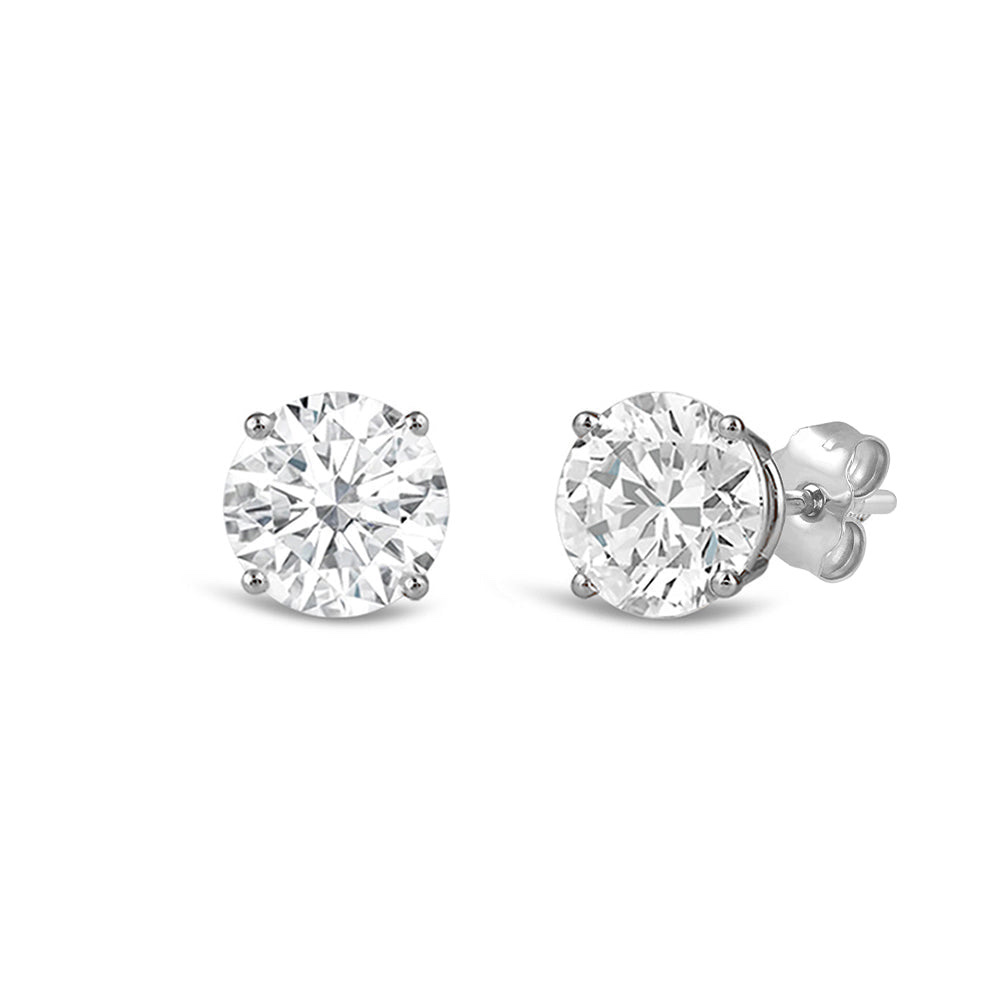
1 ct total weight
Certified four-prong lab-grown diamond stud earrings
$670
14K white gold · IGI graded · G/H color · VS+ clarity
A classic pair with about half a carat in each ear.
Shop one-carat jewelry at With Clarity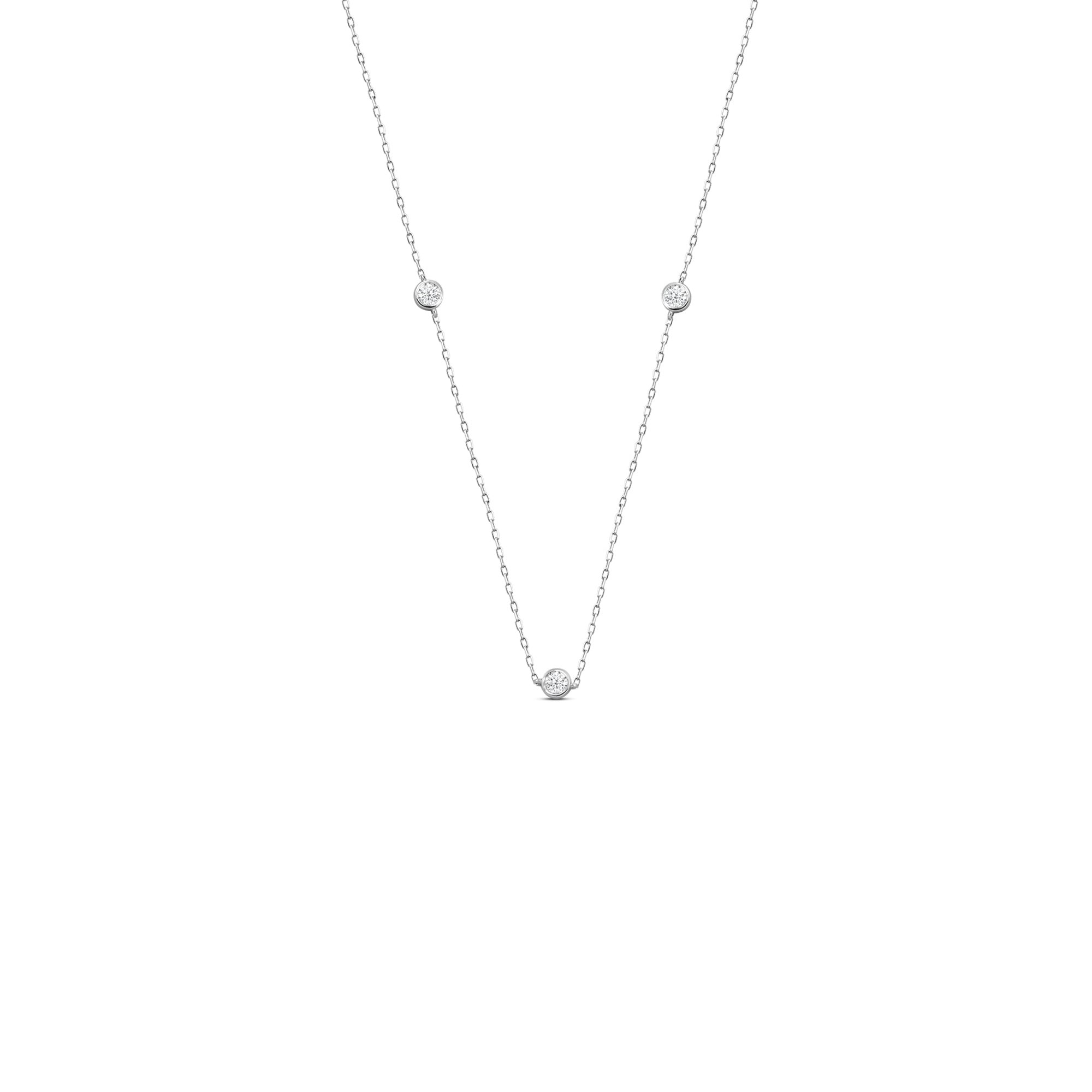
1 ct total weight
Five-stone lab-grown diamond station necklace
$1,080
14K white gold · five round lab-grown diamonds
The carat weight is spread across five diamonds rather than one solitaire.
Shop one-carat jewelry at With ClarityThese examples use one carat across the complete piece. Prices and availability can change.
One-carat round versus fancy-shaped diamonds
Fancy shapes can offer excellent value. Elongated ovals, pears, marquises, and emerald cuts often look larger than a one-carat round diamond. Some shapes cost less, but the price changes with demand, proportions, and how efficiently each stone was cut.
To compare shapes without mixing in different seller markups, we used the five lowest qualifying Ritani API results for each of ten shapes. Every diamond was 0.95 to 1.05 carats, E color, VVS2 clarity, and IGI graded. Round diamonds had Ritani's Ideal label; the fancy shapes had Very Good or better cut labels. In total, 5,244 Ritani diamonds met those rules.
| Shape | Middle price | Sample range | Cut used |
|---|---|---|---|
| Round | $240 | $235–$255 | Ideal |
| Oval | $266 | $251–$270 | Very Good |
| Emerald | $266 | $236–$269 | Very Good |
| Pear | $229 | $228–$229 | Very Good |
| Marquise | $279 | $269–$300 | Very Good |
| Radiant | $244 | $238–$259 | Very Good |
| Cushion | $279 | $276–$282 | Very Good |
| Princess | $286 | $256–$294 | Very Good |
| Asscher | $279 | $260–$282 | Very Good |
| Heart | $297 | $285–$300 | Very Good |
Pear was the least expensive shape in this sample, with a typical price of $229 among its five lowest qualifying listings. Heart was the most expensive at $297. The spread is fairly small compared with the difference between sellers in the main table, so choose the shape you like rather than chasing the lowest price.
The trade-off is that fancy-shape cut quality is harder to reduce to one label. Inspect the actual stone, not only the grades. Check the outline and symmetry, watch for a strong bow-tie in ovals and pears, and look for distracting dark areas in emerald and Asscher cuts.
Current one-carat diamond examples
These four Ritani listings show what the same basic grades looked like across different shapes when we checked. They are examples from the price sample, not blanket recommendations: inspect the video and grading report before choosing the individual diamond.
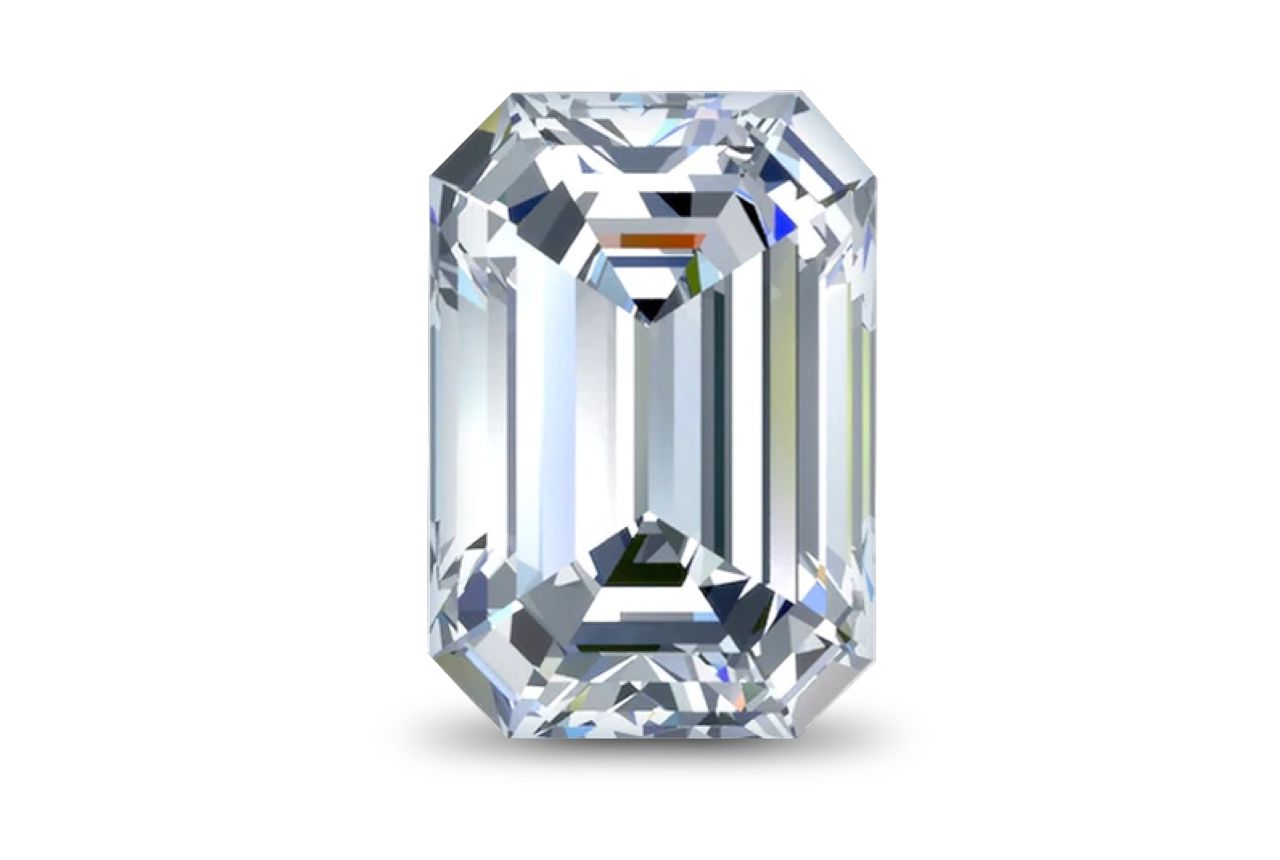
emerald · IGI
$236
0.96 ct · E · VVS2 · Very Good
Lowest qualifying emerald result in the checked sample.
Visit Ritani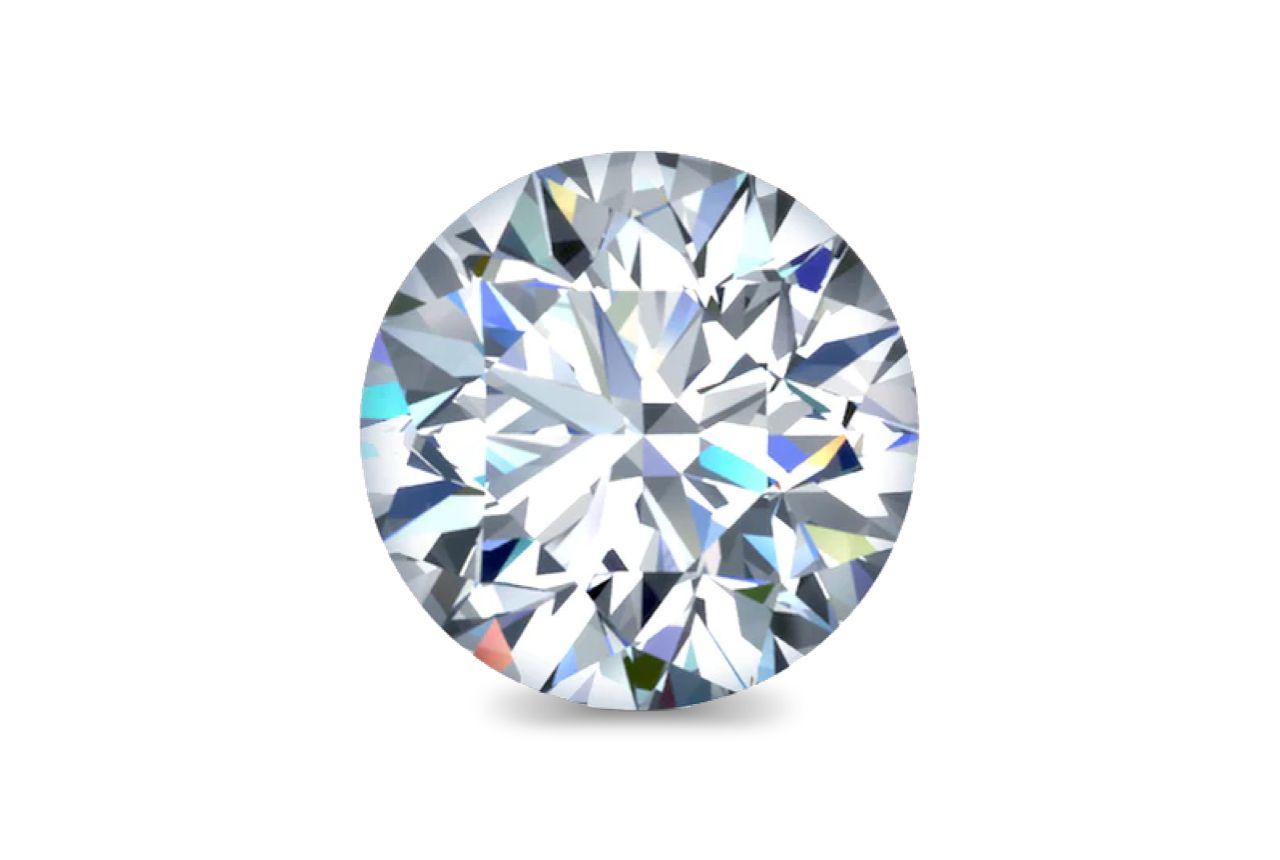
round · IGI
$235
0.95 ct · E · VVS2 · Ideal
Lowest qualifying round result in the checked sample.
Visit Ritani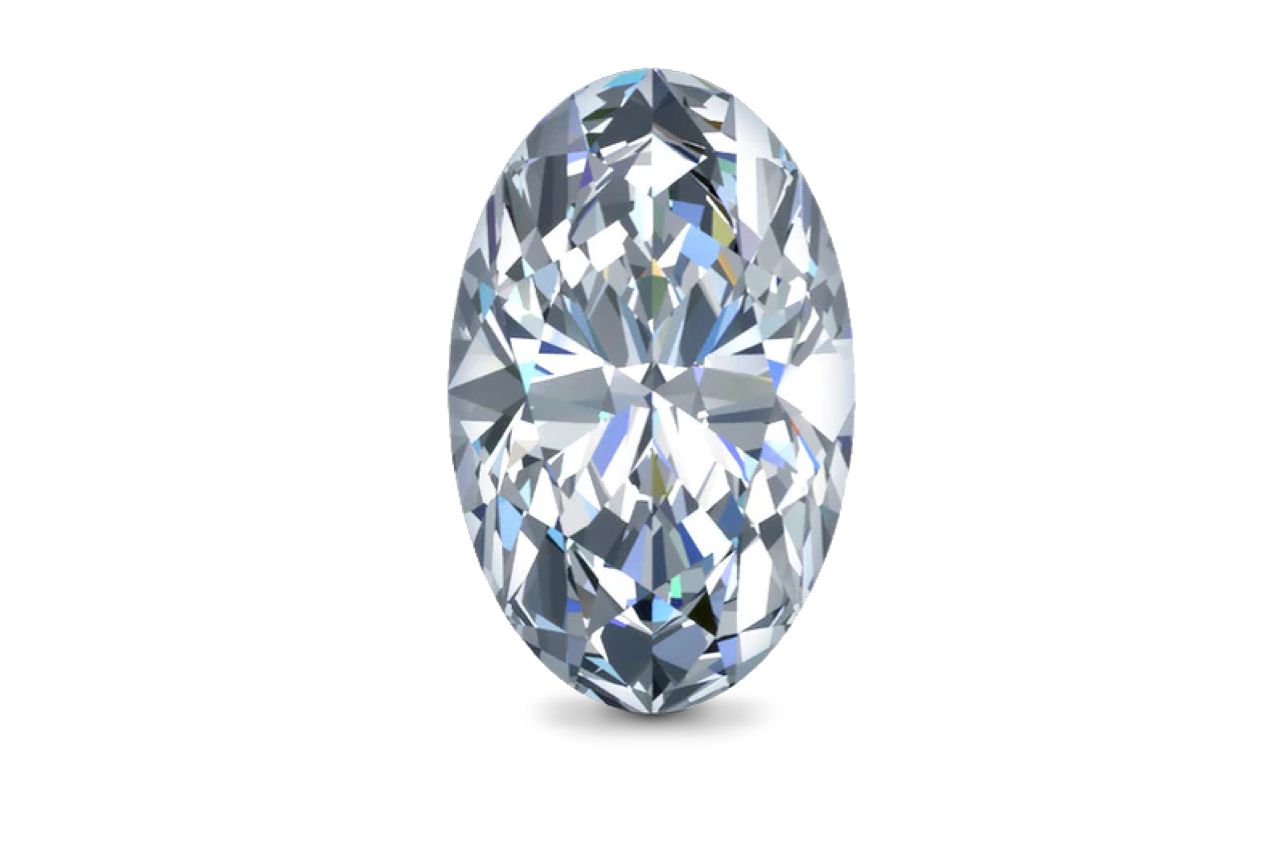
oval · IGI
$251
0.95 ct · E · VVS2 · Very Good
One of the two lowest qualifying oval results.
Visit Ritani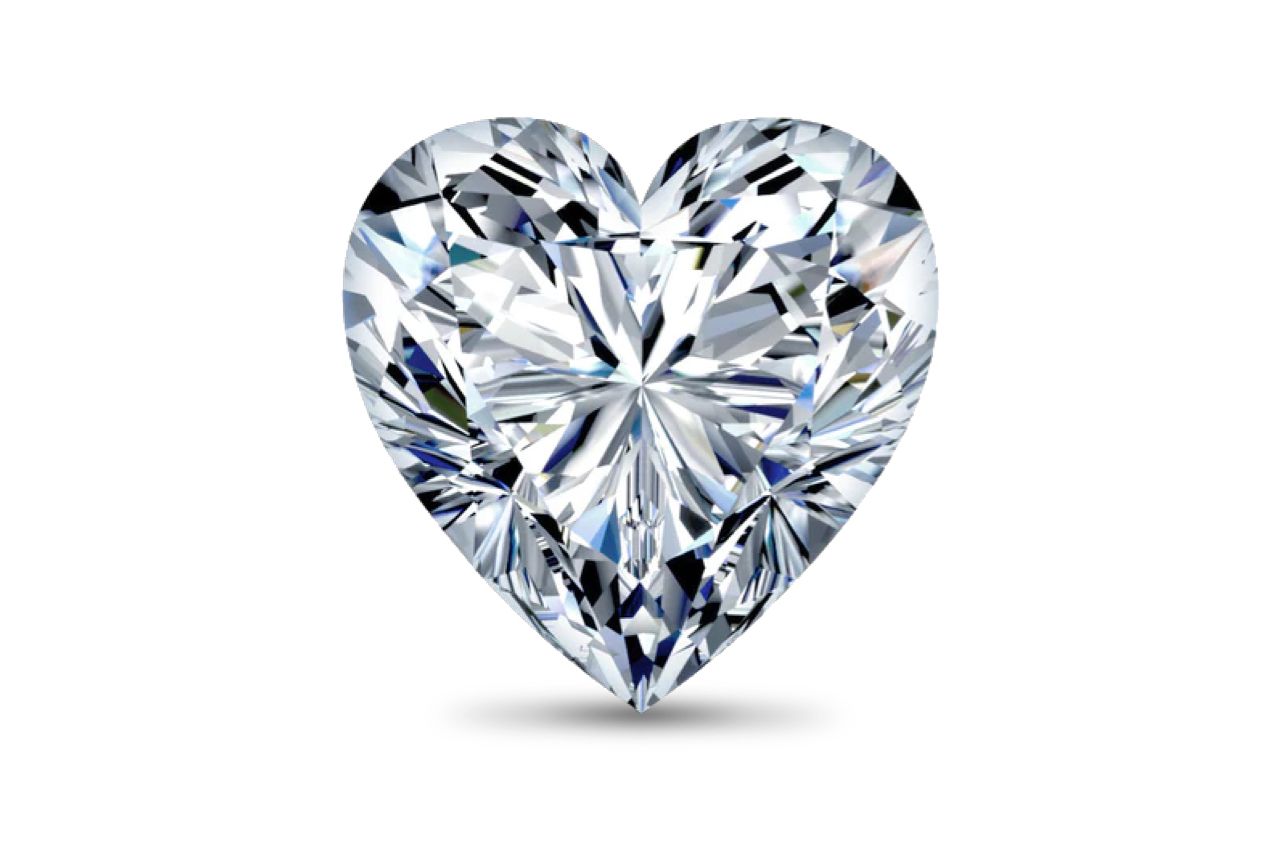
heart · IGI
$285
0.96 ct · E · VVS2 · Very Good
Lowest qualifying heart result in the checked sample.
Visit RitaniRitani's catalog images show each diamond shape, not the exact stones in our sample. Listings and prices can change after our check, so confirm the current diamond on the seller's site.
Loose diamond price versus complete ring price
The prices in our table are for loose diamonds. A complete ring also includes the setting, metal, side stones, customization, taxes, and any optional protection plan.
A simple solitaire keeps more of the budget in the center diamond. Pavé bands, halos, hidden halos, three-stone rings, platinum, and designer settings cost more. That extra spending can be worthwhile—the setting is what you see every day—but it should not be confused with the diamond price.
Compare lab-grown engagement-ring prices
Petite pavé ring from James Allen
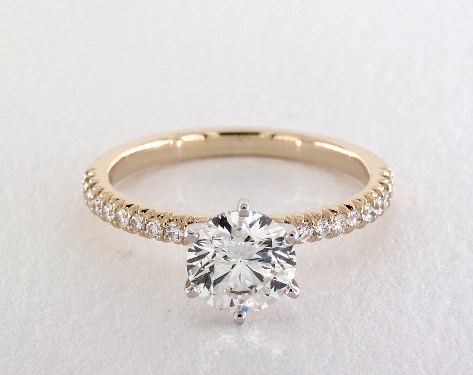
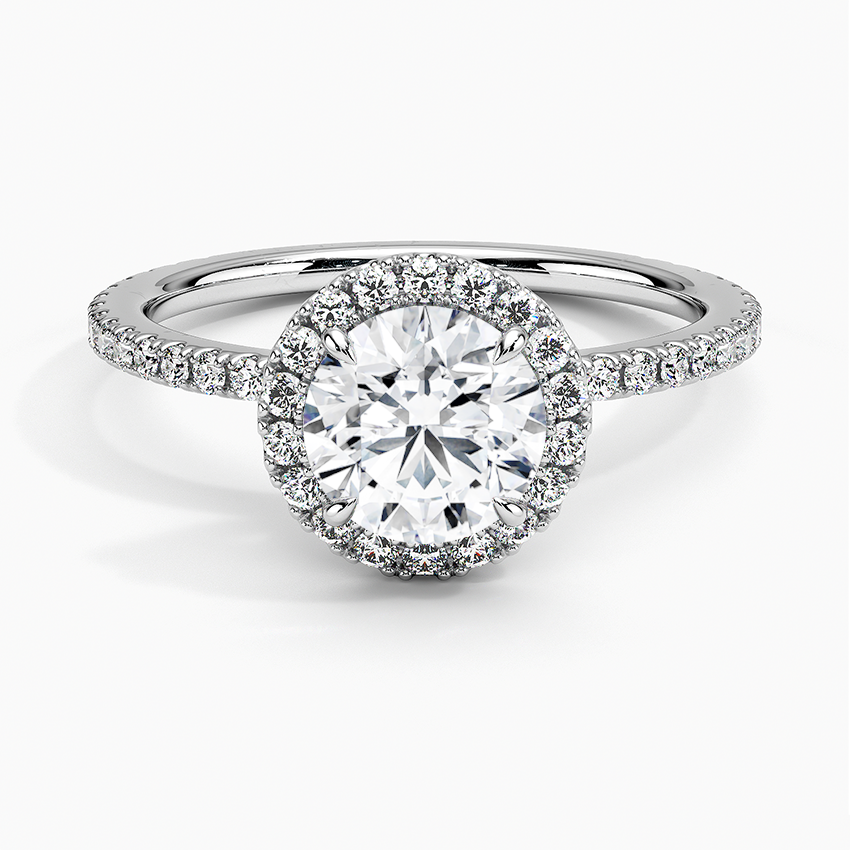
A halo such as Brilliant Earth’s Waverly design pictured at the top gives a wider outline. Compare the setting and center diamond as separate costs.
See halo rings at Brilliant Earth
Are one-carat lab-grown diamond prices still falling?
Lab-grown diamond prices have fallen sharply as production has improved and more stones have entered the market. That has been good for new buyers, who can now get much more diamond for their budget than when we started tracking the category.
The trade-off is weak resale value. A lab-grown diamond is jewelry, not an investment. Buy it for the ring or other piece you want to wear, not because you expect it to hold its retail price.
Falling prices also do not make every cheap diamond a good diamond. Cut, transparency, the actual stone, and the seller's service and return policy still matter.
The tables below show the prices we recorded in our earlier study. The earlier and 2026 samples used different grades, which are listed beside the figures.
Earlier round-diamond comparison
$401–$1,840
6 sellers · Round diamonds near one carat, I–J color, VS1–VS2 clarity, and Excellent or Ideal cut; seller ranges rather than one shared aggregation.
September 2026 test
$240–$583
5 sellers · Round diamonds from 0.95 to 1.05 carats, E color, VVS2 clarity, IGI grading, and a high cut grade.
Earlier studies used I–J color and VS1–VS2 clarity. The 2026 comparisons use E color and VVS2 clarity; each table lists its own cut and grading rules.
See our earlier round-diamond price comparison
Round brilliant lab-grown diamonds close to the target weight; Excellent (GIA) or Ideal (IGI) cut, I–J color and VS1–VS2 clarity.
| Jeweler | Recorded price range |
|---|---|
| Ritani | $401–$1,108 |
| Clean Origin | $411–$827 |
| Grown Brilliance | $485–$1,155 |
| With Clarity | $602–$2,159 |
| James Allen | $940–$1,250 |
| Brilliant Earth | $970–$1,840 |
These are prices from our earlier seller comparison, not current offers. The Brilliant Earth range included its seller-labeled sustainable collection. James Allen is now a collection at Blue Nile.
See our earlier fancy-shape comparison
Starting prices near one carat, I–J color, VS1–VS2 clarity, and Very Good or better seller-reported cut.
| Seller | oval | emerald | pear | princess | radiant | cushion | heart |
|---|---|---|---|---|---|---|---|
| Ritani | $487 | $329 | $325 | $408 | $357 | $487 | $607 |
| Clean Origin | $658 | $434 | $417 | $584 | $438 | $515 | $775 |
| With Clarity | $761 | $621 | — | $878 | $627 | $769 | — |
| Grown Brilliance | $860 | $665 | $885 | $805 | $585 | $810 | $1,020 |
| Brilliant Earth | $1,080 | $990 | $970 | $980 | $980 | $1,150 | $1,200 |
| James Allen (historical) | $1,450 | $800 | $1,170 | $1,340 | $1,360 | $970 | $2,700 |
Where should you buy a 1-carat lab-grown diamond?
Prices can vary widely within the same carat range. Compare the actual diamond, grading report and complete ring price—not only the headline price—before choosing a seller.
| Jeweler | Best for | Our rating | Shop |
|---|---|---|---|
| Ritani | Prices, loose-diamond selection and value | 4.7/5 | See at Ritani |
| Blue Nile | A polished all-round shopping experience | 4.6/5 | See at Blue Nile |
| Grown Brilliance | Finished jewelry and distinctive ring designs | 4.5/5 | See at Grown Brilliance |
Ritani: start here for the lowest price
Ritani is our first stop for a loose lab-grown diamond. It had the lowest prices in this comparison, a large searchable inventory, useful filters, and unusually clear cost and markup information. We have also bought a lab-grown diamond ring from Ritani and had a good experience with the finished order.
Blue Nile: best all-round experience
Blue Nile was the most expensive seller in our price test, but it remains one of our highest-rated jewelers. Its diamond videos, ring builder, support, showrooms, and overall shopping experience are excellent. Blue Nile also carries the James Allen collection; James Allen no longer operates as a standalone store.
Grown Brilliance: best for design
Grown Brilliance is not our first choice for the lowest loose-diamond price. It is one of our favorites for distinctive engagement rings and finished jewelry. We have purchased and returned several pieces, and the design, finish, and presentation stood out.
Are 1-carat lab-grown diamonds worth it?
A one-carat lab-grown diamond can be a very good buy if you want the look and durability of a diamond without paying the price of a comparable mined stone. The lower price can also leave more room for the setting or wedding band.
Lab-grown does not automatically mean sustainable. It avoids diamond mining, but the energy source, cutting, metal, packaging, and shipping still matter. Look for specific information about the diamond and complete piece instead of relying on a broad green claim.
The clearest reason to choose one is value: you can buy a carefully cut one-carat diamond for hundreds rather than thousands of dollars. Just remember that its future resale price may be low.
Learn more about whether lab-grown diamonds are real
Our verdict
In our September 2026 comparison, close one-carat lab-grown diamonds cost $240 to $583 before the setting. The seller-balanced typical price was $552. Ritani was the price winner and is the seller we would check first.
Prioritize cut, compare the face-up measurements, inspect the actual stone, open the grading report, and read the return terms. Then decide whether another seller's setting, showrooms, or service is worth paying more for.
Read our Ritani review See one-carat diamonds at Ritani
How we researched one-carat diamond prices
We research the seller comparison and the shape comparison separately. This keeps the headline range broad enough to compare retailers, while the shape table holds the seller and grades steady so the shape difference is easier to see. The typical price is calculated across seller benchmarks, not across every diamond listing.
We searched five US sellers on September 2, 2026 for round diamonds from 0.95 to 1.05 carats, with E color, VVS2 clarity, IGI grading, and a high cut grade. Ritani's complete bounded API capture produced 1,951 qualifying round diamonds and 5,244 qualifying offers across ten shapes. We sorted by price and used the middle price of the five lowest close matches where inventory allowed it; smaller seller samples remain clearly labeled.
The current shape table compares shapes within Ritani, so different seller markups do not distort the result. It is not a claim that Ritani or one shape will always be cheapest across the whole market. The seller-balanced typical price gives each seller one benchmark, so Ritani's unusually large inventory cannot dominate the market summary.
To work out a typical price across sellers, we sort their benchmark prices from lowest to highest and take the middle value, or the average of the middle two. Each seller contributes one benchmark, regardless of inventory size.
The Ritani portion used a complete API capture limited to the carat band, grading lab, and price ceiling, followed by local checks for shape, color, clarity, and cut. The diamonds did not have identical grading reports or proportions, and retailer cut labels are not perfectly interchangeable. Clean Origin's result included its public sale price. Prices, supplier inventory, and promotions can change quickly, so the date above matters.
Compare prices for other carat weights
- 0.5-carat lab-grown diamond prices
- 0.75-carat lab-grown diamond prices
- 1.5-carat lab-grown diamond prices
- 2-carat lab-grown diamond prices
- 3-carat lab-grown diamond prices
- 4-carat lab-grown diamond prices
- 5-carat lab-grown diamond prices
- 6-carat lab-grown diamond prices
Update history
First published in October 2024 and updated as prices and sellers changed. The September 2026 update compares five jewelers, adds a ten-shape comparison and jewelry examples, and clarifies total weight versus weight per earring. The typical price gives each jeweler equal weight. Shopping recommendations now reflect James Allen’s move into Blue Nile.
Questions and experiences
Join the discussion
Ask a question or share your experience. We review comments before publishing them.