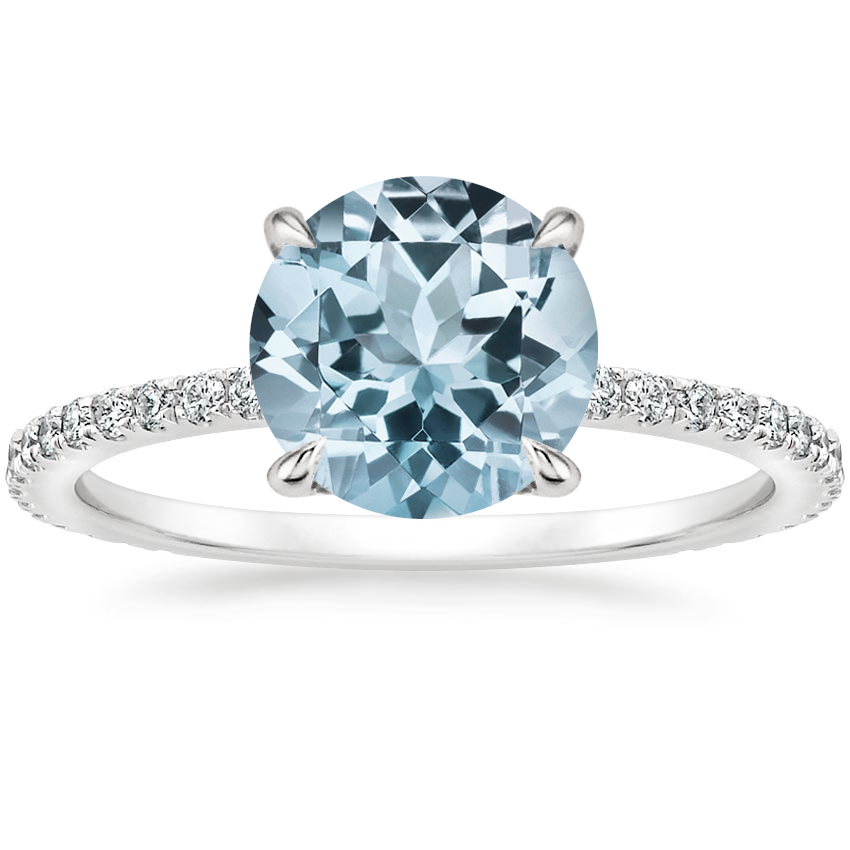





Blue lab-grown diamonds: the short answer
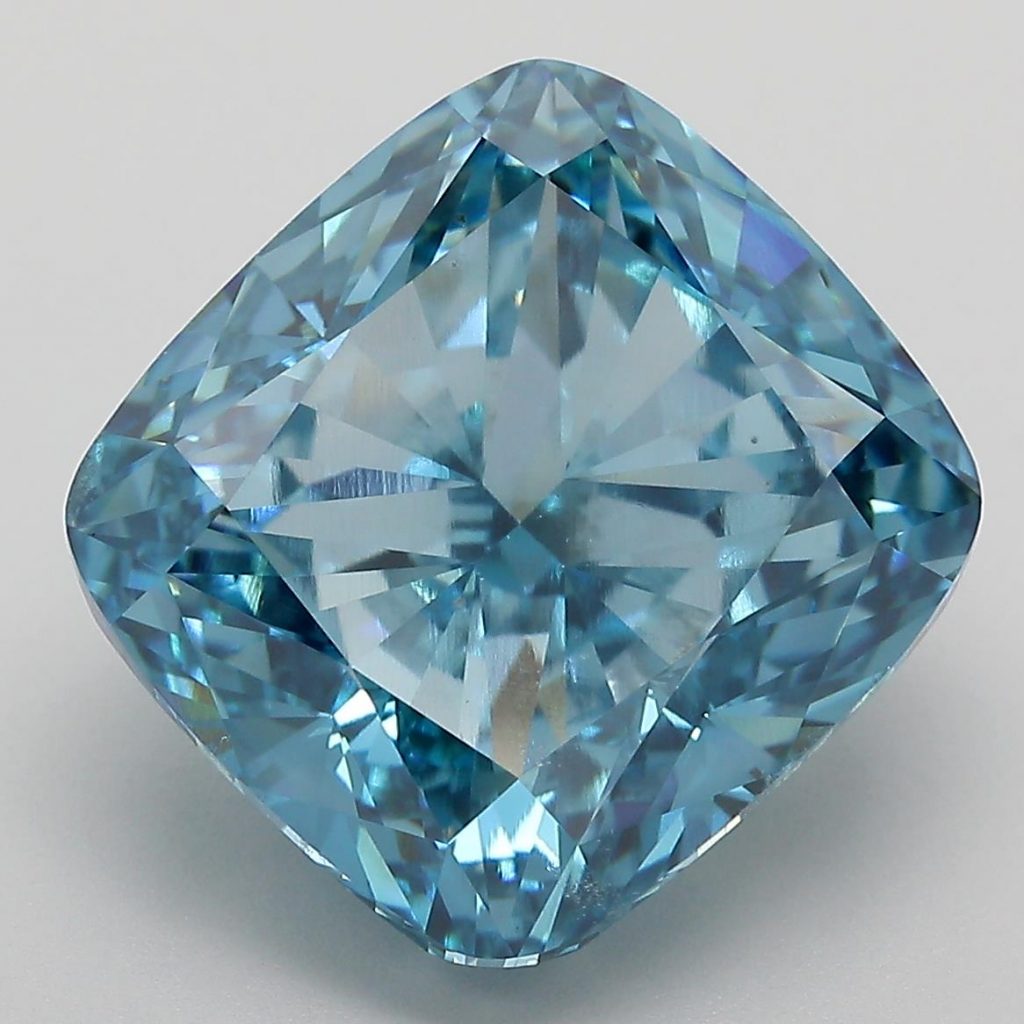
Blue lab-grown diamonds are real diamonds whose trace elements or crystal defects produce blue color. They offer the look of a blue diamond without the extraordinary rarity premium attached to famous mined blues.
Choose by the exact shade you like, then verify the report. Pale sky blue, teal-blue and stronger blue can look very different in a ring. Compare video, face-up measurements, clarity and the final setting price rather than buying by the seller's color filter alone.
For the shared grading vocabulary and a comparison with other colors, see our fancy-color lab-grown diamond guide.
We compare blue diamonds using their videos, complete color descriptions, grading reports, measurements and prices. Our jewelry guidance also draws on Klaus and Juli's purchases, returns and store visits. That experience helps us judge how metal, side stones and real-world scale change the finished appearance.
Compare current blue diamonds at Ritani
Which blue diamond is lab-grown?
Guess which pear-shaped diamond is lab-grown, then reveal their documented origins.
Try the visual quiz
Which blue diamond is lab-grown?
Guess the origin of each pear-shaped diamond, then reveal the answer.
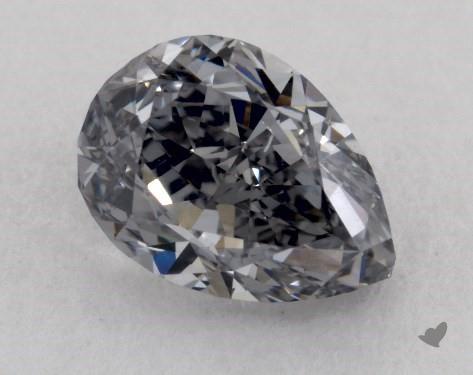
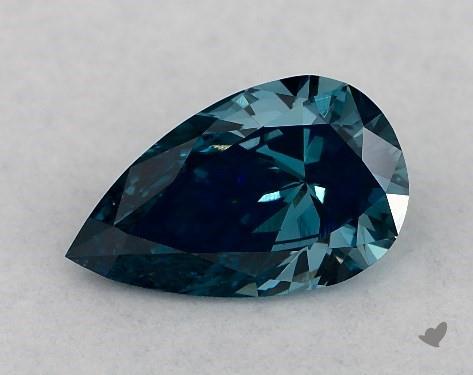
Blue diamond and jewelry examples
Compare color both as a loose diamond and in finished jewelry, where the metal and setting affect the overall look.
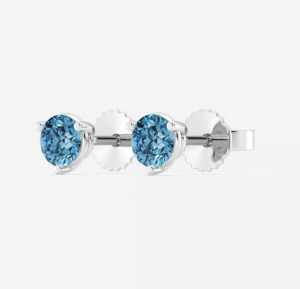
The same hue can look quite different as a loose stone and in finished jewelry.
How do blue lab-grown diamonds get their color?
Boron is the best-known cause of blue color in diamond. HPHT growers can deliberately add boron during growth, and GIA's 2024 laboratory-grown diamond update notes that blue HPHT-grown diamonds are commonly boron-doped. Some CVD-grown diamonds also contain boron, although not always enough to look blue.
Growth method cannot be inferred safely from the color alone. Blue laboratory-grown diamonds can also receive post-growth treatment, and greenish or grayish modifiers may be present. Use the individual laboratory report for origin, growth features and treatment disclosure.
Are blue lab-grown diamonds real?
Yes. They have diamond's carbon crystal structure and physical properties. “Lab-grown” describes origin; it does not mean imitation. Blue moissanite, sapphire and cubic zirconia are different materials.
How are blue diamonds graded?
Fancy-color reports describe hue, tone and saturation. A greenish blue diamond is mainly blue with a green modifier; bluish green is mainly green. Those words matter because two seller thumbnails filed under “blue” can look quite different.
Check that the report:
- identifies the diamond as laboratory-grown;
- gives the full color description;
- records detectable post-growth treatment;
- matches the report number or inscription shown by the seller; and
- comes from a laboratory whose report can be verified online.
How much do blue lab-grown diamonds cost?
Blue lab-grown prices vary with carat weight, hue, saturation, clarity, shape and seller. They generally avoid the scarcity premium of naturally blue mined diamonds, but stronger or more attractive blue stones can cost more than common colorless lab-grown diamonds.
In September 2026, we found a one-carat fancy-vivid-blue radiant diamond at Ritani for $871 and a 2.55-carat fancy-light-blue radiant diamond for $1,784. The larger diamond was lighter in color, showing why carat weight alone cannot predict the price of a fancy-color diamond. Compare current blue inventory at Ritani.
A side-by-side comparison of mined and lab-grown blue diamonds makes one point especially well: mined blue rarity and lab-grown blue pricing belong to different markets.
For a current comparison, keep shape and carat range similar, separate blue from greenish-blue stones, open every report, and compare the total price with the setting included.
A second mined-versus-lab comparison
At about one carat, appearance still cannot prove origin, and unmatched stones do not make a controlled price test.
Why mined blue diamonds cost so much
The Hope Diamond is the best-known example of mined-blue rarity. The Smithsonian records it as a 45.52-carat fancy dark grayish-blue diamond, with its blue color attributed to trace amounts of boron. A lab-grown blue diamond offers the color and durability of diamond, but not that geological rarity or history.
Should you buy a blue lab-grown diamond?
Yes, if blue is the look you want and natural geological rarity is not the reason for the purchase. Blue works especially well with white gold or platinum, while yellow or rose gold creates a warmer contrast.
Consider blue sapphire if you prioritize saturated blue color over owning a diamond. Choose a colorless diamond if brightness and classic white sparkle matter more than color.
For engagement rings, pale and medium blue diamonds often benefit from colorless side stones or a halo. Platinum and white gold preserve a cool look; yellow and rose gold create stronger contrast. Radiant, cushion, oval and pear cuts are useful places to start, but compare the face-up pattern because dark areas and bow ties can be more noticeable in colored stones.
Tips for saving on blue lab-grown diamonds
- Compare nearby modifiers such as greenish blue and grayish blue.
- Do not pay for VVS clarity if a lower grade is eye-clean and durable.
- Compare face-up measurements, not carat weight alone.
- Check fancy shapes; oval, pear and radiant cuts can appear larger for their weight.
- Use a halo or colorless side stones to increase contrast.
- Review the diamond in several lighting conditions during the return period.
Where to buy blue lab-grown diamonds
Colored-diamond inventories change quickly, so compare the exact hue, intensity and grading report. These jewelers offer different strengths in loose-diamond value, finished jewelry and showroom support.
| Jeweler | Best for | Our rating | Shop blue lab-grown diamonds |
|---|---|---|---|
| Ritani | Low prices, loose-diamond choice and useful color filters | 4.7/5 | See at Ritani |
| Brilliant Earth | Premium settings, showrooms and help with a finished design | 4.5/5 | See at Brilliant Earth |
| Grown Brilliance | Finished blue-diamond jewelry and design-led pieces | 4.5/5 | See at Grown Brilliance |
Blue lab-grown diamond FAQ
Are all blue lab-grown diamonds HPHT-grown?
No. Boron-doped HPHT blue is common, but color alone is not a dependable growth-method test. Read the report for the individual diamond.
Are blue lab-grown diamonds radioactive?
Properly released treated gems must meet applicable safety requirements. Do not infer treatment from color; use a reputable grading report and established seller.
Is blue rarer than yellow in lab-grown inventory?
Inventory changes, but blue is often less common than yellow. That retail availability does not give a lab-grown blue diamond the natural rarity of a mined fancy blue.
Questions and experiences
Join the discussion
Ask a question or share your experience. We review comments before publishing them.