




We review jewelers to help you choose the right diamond, understand the complete price and know what to expect when you order. Our work combines firsthand jewelry purchases and inspections with diamond-price comparisons, shopping tests, policy checks and feedback from other buyers.
LabGrownCarats began in 2020. Since then, we have researched specialist lab-grown diamond sellers, established jewelers and newer brands as the market has changed. A good recommendation needs to explain both where a retailer stands out and where another seller may suit you better.
How we review at LabGrownCarats
Our mission is straightforward: help you find a diamond you love at a sensible price. We publish buying guides, price research, jewelry recommendations and detailed retailer reviews to make the decisions easier.
The most useful findings are specific. How much did comparable diamonds cost? Could we inspect the grading report before ordering? Did the ring match the listing? Was the return straightforward? Those questions tell a buyer more than a retailer's slogan.
How we review
Klaus Thorup, our founder and editorial lead, is responsible for current editorial decisions and article updates. Our reviews also draw on the work of earlier contributors, including Rolf Hartmann, our former editor. Writers remain credited alongside the people responsible for substantive updates.
Our research includes buying jewelry, examining delivered pieces and their paperwork, visiting stores, comparing websites and contacting customer service. We document the relevant purchases, observations and shopping tests in the individual review. This lets you connect a recommendation to the experience behind it.
When comparing prices, we aim to match the shape, weight, color, clarity and grading information rather than compare a retailer's cheapest stone with a different-quality diamond elsewhere. For finished jewelry, we consider the setting, metal and total diamond weight as well as the center stone.
Product quality is about the finished piece, not just a high clarity grade. We look at the diamond's appearance, proportions and available video; the setting's finish and construction; and whether the report, listing and delivered item agree. We use normal viewing as well as closer inspection because the jewelry needs to look good when worn.
Shopping and service tests cover the tools a buyer actually needs: useful filters, clear images, report access, customization, answers to questions, checkout and delivery information. Orders and completed returns add practical evidence about what happens after the sale.
Keeping reviews useful as the market changes
Prices, inventory, services and policies change. We revisit our reviews when those changes affect the buying decision, keeping useful experience while updating the facts that a shopper needs now.
A new price comparison can change our value assessment. A return-policy change can affect who we recommend a retailer to. A retailer closing or moving into another brand needs clear buying guidance, not an invitation to order from a store that no longer operates separately.
We also consider reader comments and patterns in external customer reviews, including Trustpilot, Reddit and Google reviews. We distinguish those reports from our own experience. A repeated concern deserves investigation; a single account does not establish what happens to every customer.
The areas we assess
These nine areas guide our research. Related areas can be grouped in a review's rating breakdown, depending on the seller and the buying decision.
| Area | What we examine |
|---|---|
| Prices | Like-for-like loose-diamond and jewelry prices, complete purchase cost, useful savings and pricing transparency |
| Diamond inventory | The range of shapes, sizes and quality grades, with enough detail to compare actual stones |
| Jewelry selection | Design choice, settings, metals, customization and the quality of finished pieces |
| Quality | Grading information, diamond appearance and cut, setting construction, finish and craftsmanship |
| Shopping experience | Search filters, images and video, report access, product information, mobile usability and checkout |
| Customer service | Clear and useful answers, responsiveness, expertise and handling questions or problems before and after purchase |
| Sustainability and transparency | Growth and sourcing disclosures, energy and environmental claims, recycled materials and packaging |
| Shipping and returns | Production and delivery times, shipping protection and cost, return and exchange rules, warranties and aftercare |
| Other customers' experiences | Reader feedback, recurring concerns and strengths in external buyer reports, and how the retailer responds |
For environmental claims, we look for information about the producer, energy and materials rather than treat “lab-grown” as proof that every piece has the same footprint. For service and return claims, we separate a published promise from an outcome we experienced ourselves.
How our scores work
Our scores use a 1.0–5.0 scale. We display decimal scores, such as 4.7/5, when they help distinguish the strengths and shortcomings found in a review. They are editorial assessments, not customer-review averages.
The scale runs from poor performance to excellent performance. These examples show its broad meaning:
| Example score range | Meaning |
|---|---|
| 1.0–1.5 | Poor: major problems or shortcomings |
| 2.0–2.5 | Below average: noticeable weaknesses |
| 3.0–3.5 | Average: meets basic expectations without standing out |
| 4.0–4.5 | Good: strong overall performance, with trade-offs explained in the review |
| 5.0 | Excellent: an exceptional assessment across the factors that matter |
Scores can fall between these examples. Read the reasons, not just the number. A seller with lower prices may be the better choice for a loose diamond; another may justify a higher price through a setting you prefer, in-person support or a service that matters to you.
Where a review uses a weighted calculation, its rating breakdown shows the categories, weights and scores. For example, our Ritani review gives price, selection and buying information substantial weight. We do not treat every factor as equally important just to produce a simple average.
What sits behind a recommendation
A score is a summary, not the whole review. We explain the prices, products, policies and experiences that led to it, including the main pros, cons and alternatives.
We use the same findings to compare retailers. That can show why one seller is better for loose-diamond value, another for finished jewelry and another for a particular setting or showroom experience. It also helps us say who should look elsewhere, even when we like parts of a retailer's offering.
The buying, shipping and returns comparison brings together documented orders across six jewelers. Our price research compares actual seller prices and explains which diamonds qualify. These are different types of evidence, and each answers a different buying question.
Examples from our testing
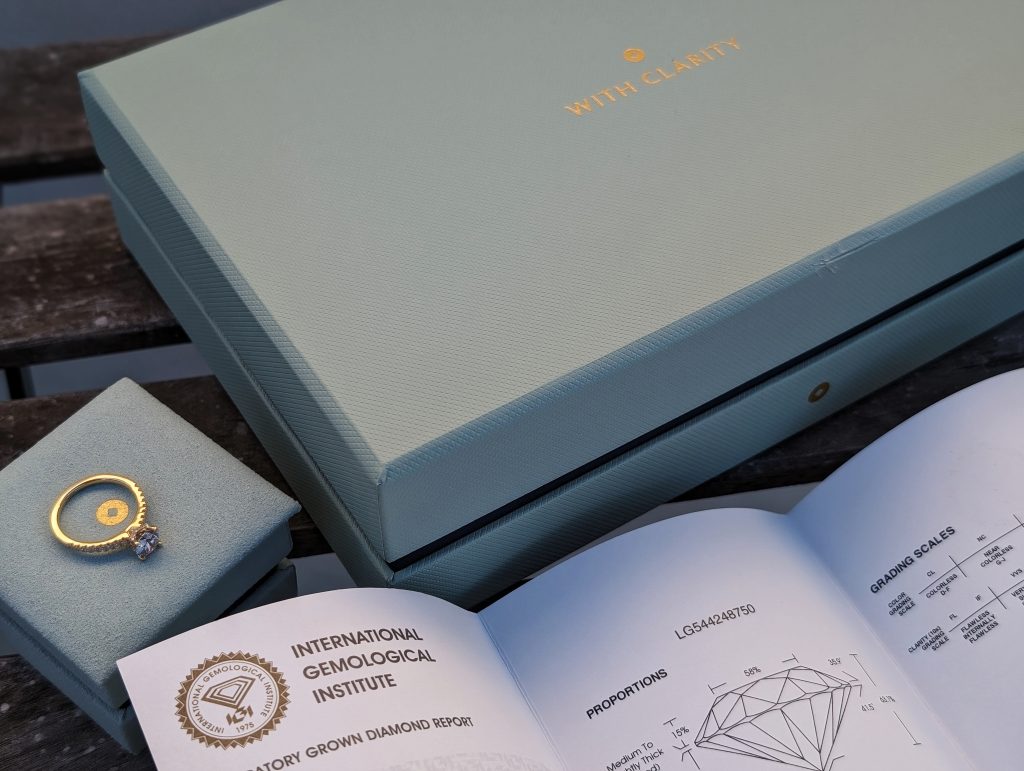
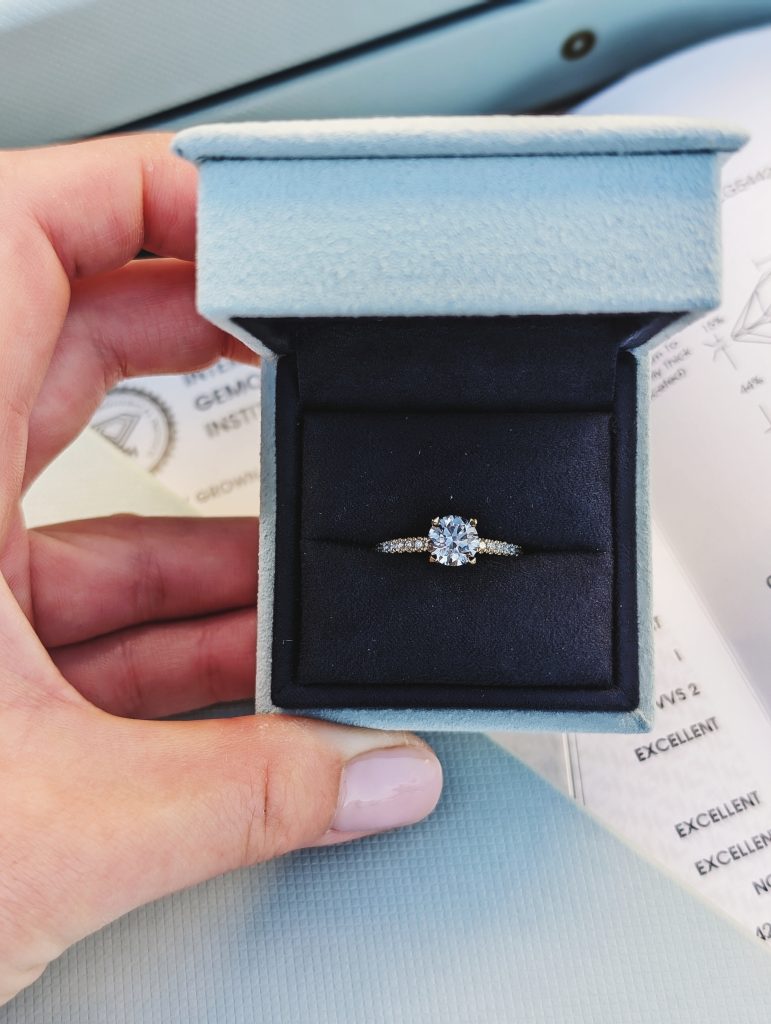
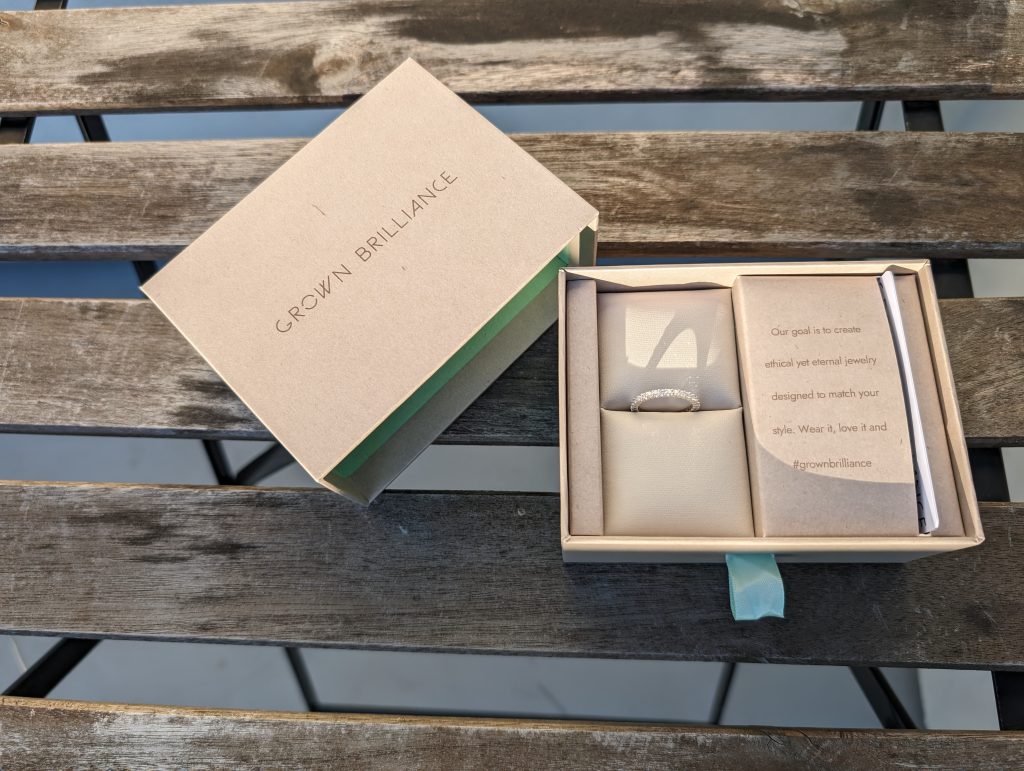
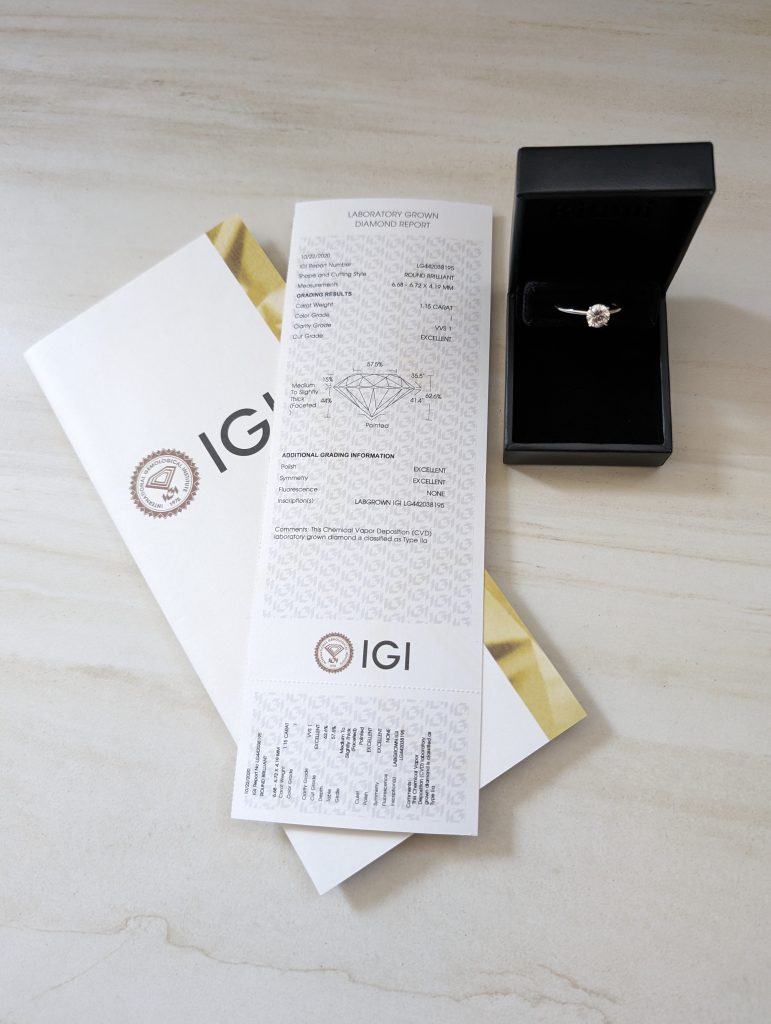
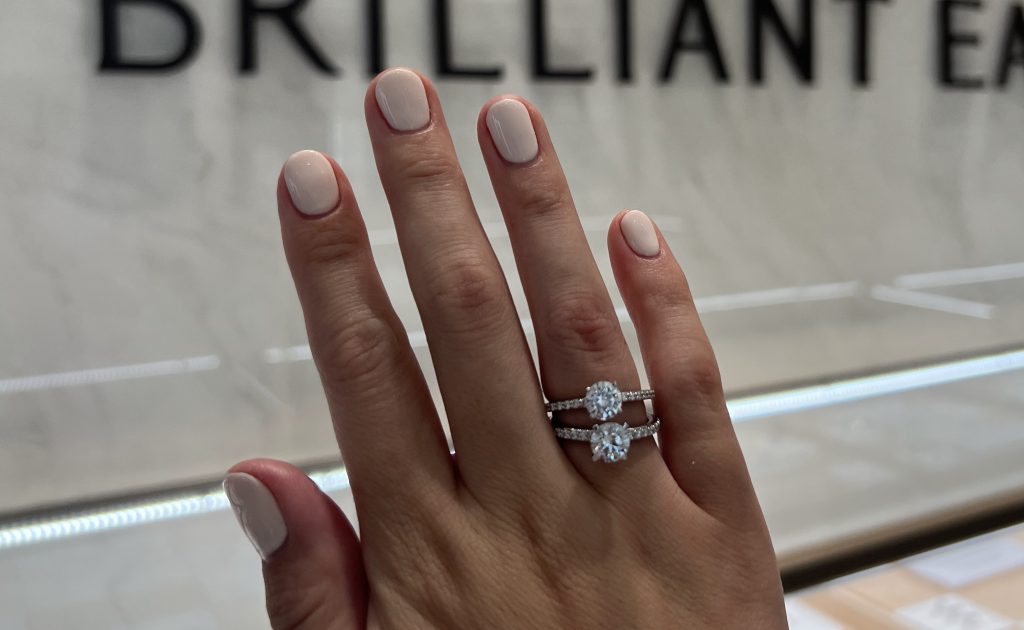
Our photographs record the jewelry, packaging, reports and store comparisons behind the reviews. They help show what we examined, from a ring's appearance and finish to the documents received with an order.
Partnerships and independence
We choose partnerships around the value a jeweler can offer our readers. We decline paid editorial requests that would compromise our recommendations and do not sell positions in our rankings.
When you buy through an affiliate link, we may earn a commission at no additional cost to you. A commission does not decide a verdict, erase a concern or turn every seller into a recommendation. Our reviews include retailers we do not recommend and explain why.
Discounts and offers can help with the final price, but we compare the underlying jewelry and terms rather than recommend an offer simply because its headline percentage is large. We do not accept money or products in exchange for editorial coverage.
For practical examples of how these judgments fit together, see our recommended lab-grown diamond jewelers and engagement-ring seller comparison.