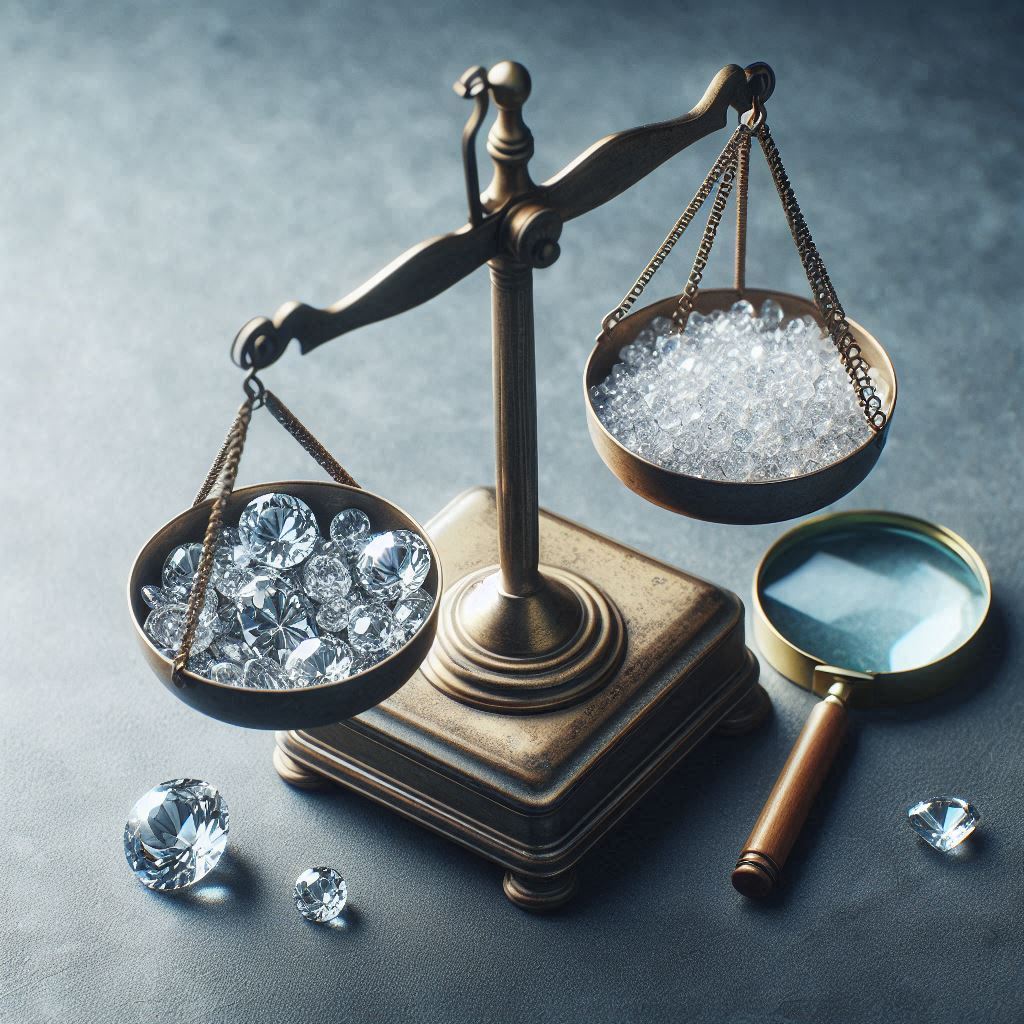





For most buyers, we think a lab-grown diamond is the better use of a jewelry budget. You can buy a beautiful diamond for much less, put the difference toward a setting you love, or simply spend less on the finished piece.
That was the appeal when we first began shopping for lab-grown diamond jewelry, and it remains our view after years of comparing jewelers and buying pieces ourselves. A natural diamond makes more sense if its geological origin matters enough to you to pay the premium. It does not buy you better sparkle simply because it came out of the ground.
The price gap is substantial, but there is no single savings percentage that fits every diamond. Weight, shape, quality, and the seller all matter. Below, you will find recent shopping examples, our dated price comparisons, and advice on choosing where to spend your budget.
Lab-grown or natural: the quick answer
| What matters to you? | Our advice |
|---|---|
| The most diamond for your money | Start with lab-grown diamonds and compare several sellers. |
| A beautiful engagement ring within a fixed budget | Price the diamond and setting together; a lower diamond price leaves more room for the design. |
| A diamond formed naturally in the earth | Choose natural if that origin is worth the extra cost to you. |
| An investment or a guaranteed resale price | Do not treat either purchase as a promise of getting your money back. |
Recent diamond prices: what your budget buys
Our September lab-grown price research found round diamonds close to one carat for a few hundred dollars. At Ritani, the middle of the five lowest qualifying prices was $240. The seller figures in that research ran from $240 to $583, although some sellers were represented by a single listing rather than five stones.
For a natural-diamond reference, we checked Ritani's website again on September 9. One listed 1.00-carat round, H-color, VS2-clarity natural diamond was $2,783, with a GIA report and Ritani's Ideal cut label.
Here is what those two shopping examples actually contained:
| Detail | Lab-grown example | Natural example |
|---|---|---|
| Seller | Ritani | Ritani |
| Listed price | $235 | $2,783 |
| Weight | 0.95 carats | 1.00 carat |
| Shape | Round | Round |
| Color / clarity | E / VVS2 | H / VS2 |
| Seller's cut label | Ideal | Ideal |
| Grading laboratory | IGI | GIA |
| Price checked | September 2, 2026 | September 9, 2026 |
The lab-grown diamond is slightly lighter and has higher listed color and clarity grades, so this is a budget illustration rather than a like-for-like percentage comparison. Prices are for loose diamonds in US dollars, before a setting and tax; no extra coupon has been applied.
For a wider choice of recent lab-grown examples, use our guides to one-carat diamond prices and two-carat prices. They include seller comparisons, different shapes, and jewelry ideas.
Why the cheapest seller is not the whole market
Ritani's low prices are useful when you want to see how far a budget can go. They are not what every jeweler charges. Our seller comparisons keep each jeweler separate so a large, inexpensive inventory does not make the whole market look cheaper than it is.
Compare the complete piece, too. A more expensive seller may have the setting, showroom, or custom service you want. Once the center diamond costs a few hundred dollars, the gold, workmanship, and design can account for much of an engagement ring's price.
Dated lab-grown vs. natural price comparison
The following price ranges were collected before September 2026. They show how large the gap was across several diamond sizes; use the recent examples above and our carat price guides for today's shopping.
Our research focused on round brilliant diamonds with Excellent or Ideal cut labels, H–I color, and VS1–VS2 clarity, close to each target weight. We compared prices across jewelers including Ritani, James Allen, Brilliant Earth, With Clarity, and Grown Brilliance.
| Diamond weight | Lab-grown prices when checked | Natural prices when checked |
|---|---|---|
| 1 carat | $441–$1,018 | $2,110–$6,076 |
| 1.5 carats | $588–$2,022 | $4,740–$13,930 |
| 2 carats | $915–$2,333 | $14,480–$24,020 |
| 2.5 carats | $1,176–$3,240 | $20,810–$42,450 |
| 3 carats | $1,715–$5,035 | $24,340–$52,130 |
The table shows why we became so enthusiastic about lab-grown diamonds: the difference was already thousands of dollars, especially at larger weights. Because prices change, we do not combine these ranges with newer lab-grown prices to calculate a current savings percentage.
The diamond examples from our research
We also compared individual diamonds, not just price ranges. The images and specifications below show the kinds of stones we examined. Use the recent price guides above when shopping today.
One-carat lab-grown and natural diamonds
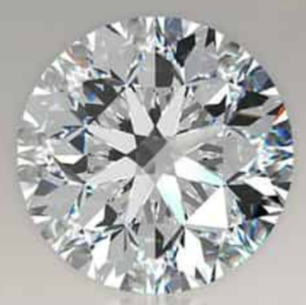
The Ritani examples were both one-carat round diamonds listed as I color, VS1 clarity, and Ideal cut. Looking beyond the headline price to those details is still the right starting point.
Natural one-carat example
Lab-grown one-carat example
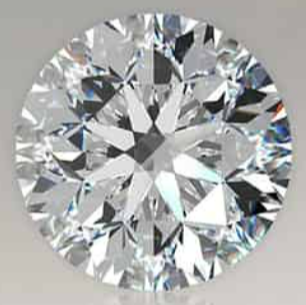
The pictures alone cannot establish a diamond's origin or quality. For the stone you actually buy, inspect its video and grading report rather than relying on a representative image.
1.5-carat lab-grown and natural diamonds
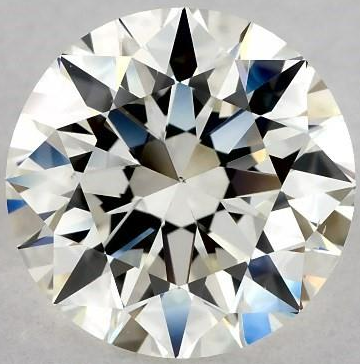
The 1.5-carat pair used F color, VS1 clarity, and Ideal cut labels. These are higher color grades than the H–I range used for the dated table, so we treat the individual examples separately.
Natural 1.5-carat example
Lab-grown 1.5-carat example
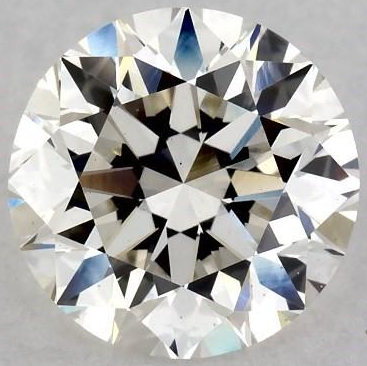
Clean Origin example
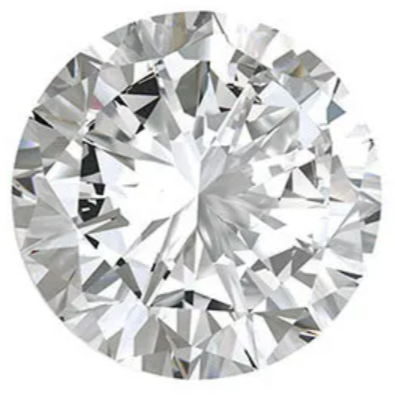
We also included a 1.50-carat, H-color, VS1-clarity lab-grown diamond from Clean Origin. Our opinion of the jeweler has changed since that comparison; the updated Clean Origin review explains why it is no longer among our main recommendations.
Grown Brilliance example
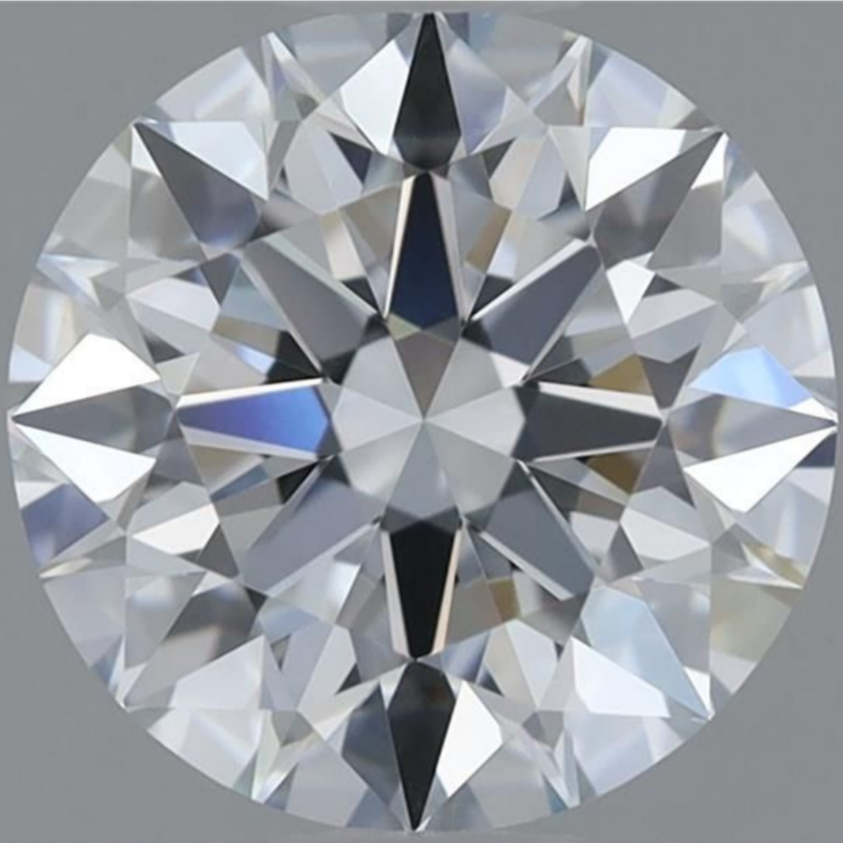
The Grown Brilliance example was also listed at 1.50 carats, H color, and VS1 clarity. Today, we particularly like Grown Brilliance for jewelry design and custom work. We would still compare its loose-diamond price with Ritani before choosing a center stone.
Two-carat lab-grown and natural diamonds
The two-carat examples came from Brilliant Earth. Both were listed as G color, VS1 clarity, and Ideal cut; the natural diamond had a GIA report and the lab-grown diamond an IGI report.
Natural two-carat example
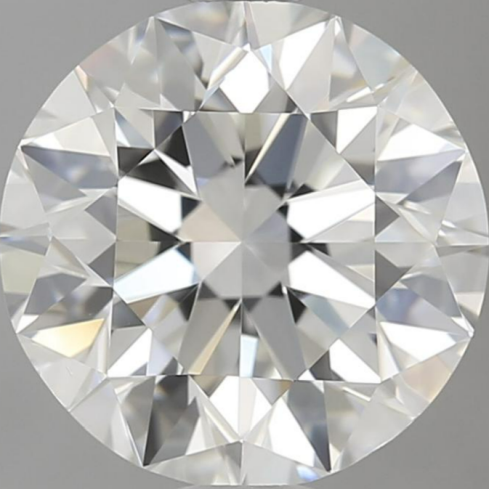
Lab-grown two-carat example
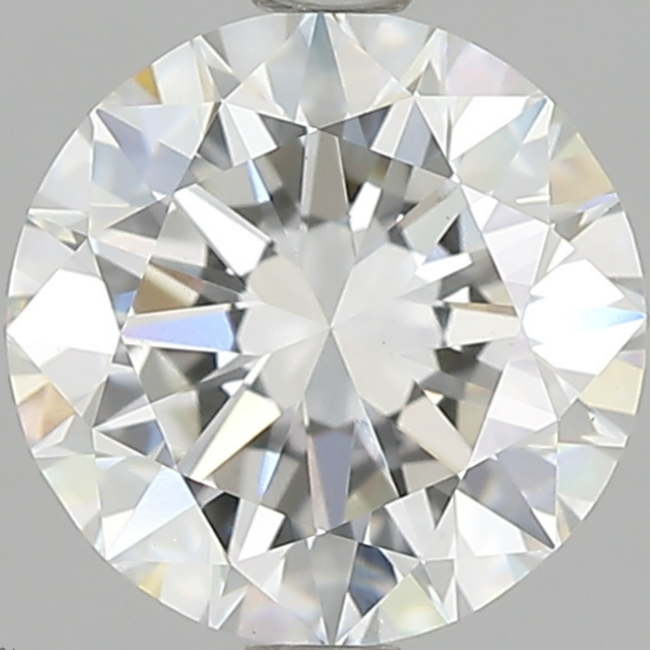
At this size, the price difference can change the whole purchase: a lab-grown center stone may bring a two-carat ring within a budget that would otherwise mean choosing a smaller natural diamond. Do not overlook the setting height and how the ring feels on your hand as you move up in size.
What are lab-created diamonds?
Lab-created and lab-grown mean the same thing here: a diamond grown using technology rather than formed naturally in the earth. It is diamond, not cubic zirconia or moissanite. Those are different materials that can be used as diamond alternatives.
Lab-grown and natural diamonds have essentially the same chemical, physical, and optical properties. Individual stones still differ in cut, color, clarity, and appearance. Choosing lab-grown does not remove the need to choose a good diamond.
Can you tell the difference by looking?
Not reliably with the naked eye. A gemological laboratory can identify origin using specialized testing, and the report should state whether a stone is natural or laboratory-grown. GIA explains this distinction in its guide to identifying laboratory-grown diamonds.
For a buyer, the useful question is whether the diamond looks bright, clear, and attractive—not whether you can guess its origin from a photograph.
Check the actual grading report
IGI continues to grade both natural and lab-grown diamonds using the 4Cs. GIA's current lab-grown quality assessment instead uses Premium and Standard categories for eligible colorless to near-colorless lab-grown diamonds.
That means you should not assume every new GIA lab-grown assessment will look like a natural-diamond report, or translate a broad quality category into an exact color and clarity grade. Read the report supplied with the particular stone.
Why we usually choose lab-grown diamonds
We buy jewelry to enjoy wearing it. For that purpose, the lower cost of lab-grown diamonds is hard to ignore. Our recommendations are based on that value, not on the idea that everyone must want the same kind of diamond.
Six reasons a lab-grown diamond may suit you
- Spend less on the stone. You can keep the look and size you want without paying the natural-origin premium.
- Put more into the setting. Good workmanship and a design you love can matter more day to day than a higher-priced center diamond.
- Consider a larger diamond. If you prefer a bigger look, lab-grown gives you more room to explore it within your budget.
- Compare higher color and clarity grades. Small price differences may make better grades affordable, though a grade you cannot see is not always worth paying for.
- Choose a diamond rather than a lookalike. You are buying diamond, not a different material chosen to imitate it.
- Choose a stone that was not mined. That can be a meaningful preference. For environmental claims beyond origin, look for evidence about the particular producer rather than assuming every lab-grown diamond has the same footprint.
We would not pay more for either type because of a promise of future resale value. Buy something you can comfortably afford and want to keep. If a future upgrade matters, read the seller's specific trade-in terms before ordering.
Where we would start shopping
Three of our favorite jewelers
These are the three sellers we would compare first. The best choice depends on whether you value the lowest loose-diamond price, the finished ring design, or the overall buying experience.
| Jeweler | Best for | Our rating | Shop |
|---|---|---|---|
| Ritani | Loose-diamond prices, selection and value | 4.7/5 | See lab-grown diamonds at Ritani |
| Blue Nile | Comparing natural and lab-grown diamonds in a polished store | 4.6/5 | See at Blue Nile |
| Grown Brilliance | Finished jewelry and distinctive ring designs | 4.5/5 | See at Grown Brilliance |
Blue Nile also houses the James Allen collection; James Allen is no longer a separate store. We would check Blue Nile's diamond price against Ritani before paying more for its shopping experience.
Before ordering, compare the total price, the actual diamond report and video, and the return terms. Choose the stone and setting together, so the piece you love is also one you can comfortably afford.
Common questions
Are lab-grown diamonds cheaper than natural diamonds?
Yes. The lab-grown diamonds in our research cost substantially less than natural diamonds. Compare the same weight, shape, and quality before judging an individual offer, and include the setting when working out your total budget.
How much cheaper are lab diamonds than mined diamonds?
There is no fixed percentage. Our research found gaps of thousands of dollars, especially at two and three carats. The recent examples above also show a large difference, but have different specifications. For your own shortlist, subtract the lab-grown price from the natural price, divide by the natural price, and multiply by 100—using comparable stones and prices checked on the same day.
How we compared diamond prices
Dated comparison. We searched for round brilliant diamonds around the target weights, with Excellent or Ideal cut labels, H–I color, and VS1–VS2 clarity. The table combines ranges from several jewelers. The illustrated diamonds used their own listed grades, including F and G color, and were not all part of that sample. The figures were collected before September 2026 and are presented together so they are not mistaken for current quotes.
September lab-grown research. The one-carat comparison uses 0.95–1.05-carat round diamonds, E color, VVS2 clarity, IGI reports, and Ideal cut labels. Ritani's five lowest qualifying API results ranged from $235 to $255, with a middle price of $240, among 1,951 qualifying matches. Other sellers' observations and sample sizes are shown in the one-carat guide. These are lower-priced qualifying examples, not an average of every diamond for sale.
September natural-diamond check. We used Ritani's public search with round shape, 1.00–1.05 carats, H color, VS2 clarity, and its Ideal cut filter. The $2,783 example was a 1.00-carat listing with GIA report number 2557973044, observed on September 9. It is not matched to the different lab-grown sample, and we have not calculated a current percentage saving from the two.
Illustrated examples. The comparison pictures correspond to the dated listings discussed above.
Questions and experiences
Join the discussion
Ask a question or share your experience. We review comments before publishing them.