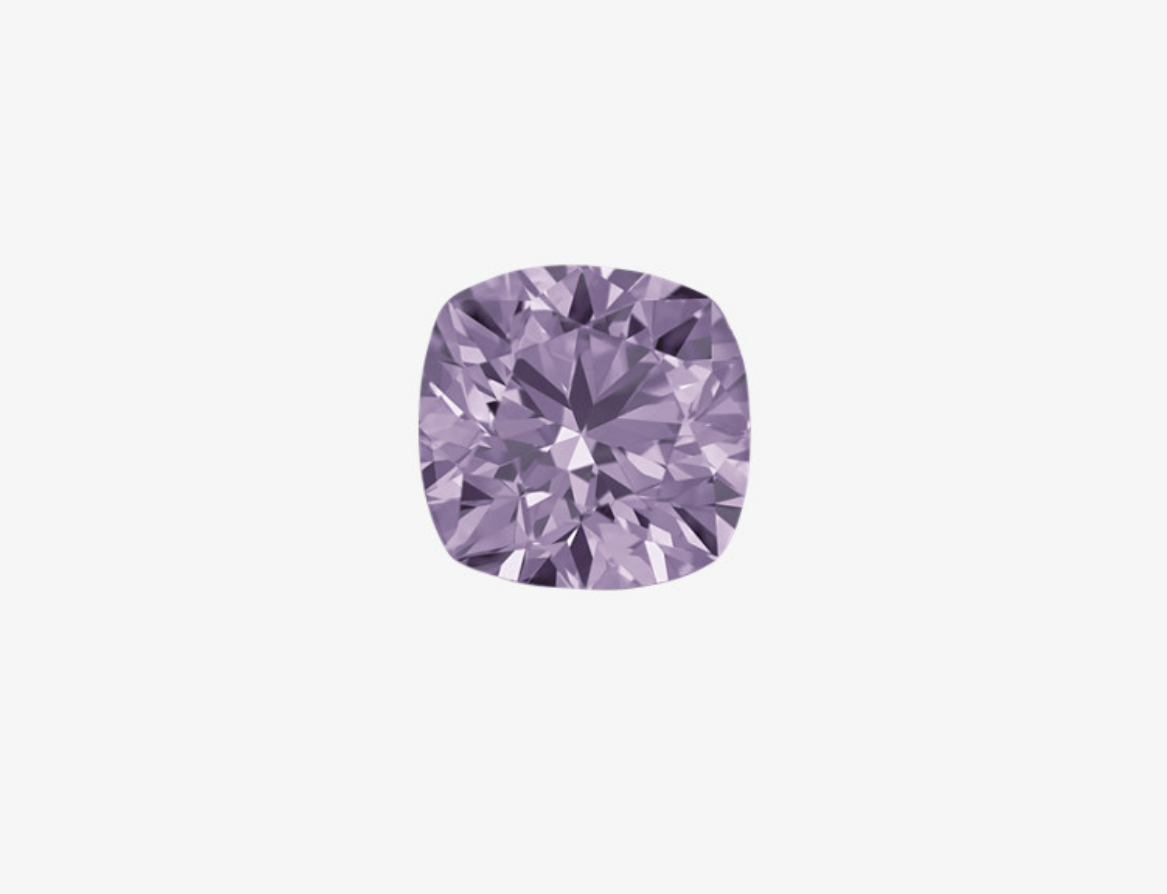





Purple lab-grown diamonds: the short answer
Purple lab-grown diamonds are real diamonds with purple as their dominant color. They are uncommon in retail inventories and frequently carry pink, gray, brown or red modifiers.
Choose by appearance and report wording. Seller filters can group purple, violet, pink-purple and gray-purple together, even though they look quite different in jewelry.
We compare purple diamonds using their videos, complete color descriptions, grading reports, measurements and prices. Our jewelry advice also draws on Klaus and Juli's purchases, returns and store visits. This matters because purple is a broad retail label and the surrounding metal can emphasize very different modifiers.
Compare current colored diamonds at Ritani
Our three recommended places to compare
Start with Ritani for price, Brilliant Earth for settings and showroom help, and Grown Brilliance for finished fancy-color jewelry. Their details appear below.
How are purple diamonds created?
Purple and violet color can result from different defects, trace elements and treatments. Laboratory-grown purple diamonds may receive post-growth irradiation and annealing. GIA's 2026 examination of a vivid purple diamond rough, for example, found a combination of irradiation and later annealing.
Do not assume that every purple diamond was made or treated in the same way. The individual grading report should identify laboratory origin and disclose detectable treatment.
How rare are purple diamonds?
Naturally purple mined diamonds are exceptionally rare. Purple lab-grown diamonds do not share that geological rarity, but they remain uncommon in current retail inventories, especially without a secondary color.
Australia's Argyle mine was an important source of naturally colored diamonds, including occasional violet stones. Rio Tinto records that mining ended there in November 2020, after 37 years. That history helps explain the collector premium attached to mined purple and violet diamonds; it does not determine the value of a laboratory-grown stone.
Which purple diamond is lab-grown?
Guess which purple diamond is lab-grown, then reveal their documented origins.
Try the visual quiz
Which purple diamond is lab-grown?
Guess the origin of each diamond before checking the answers.
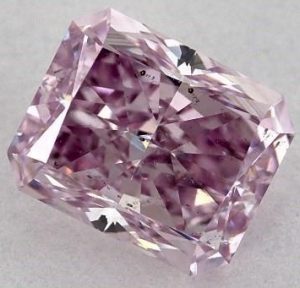
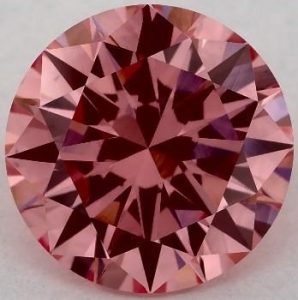
Purple color and shape examples
Purple diamonds can look markedly different depending on their modifier, tone and shape.
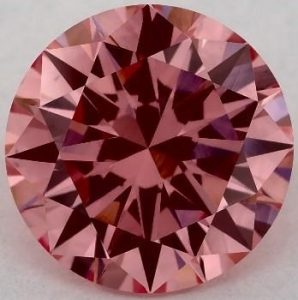
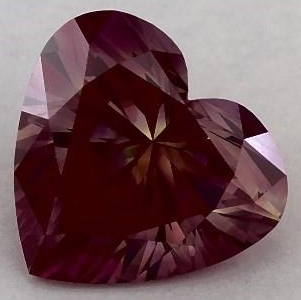
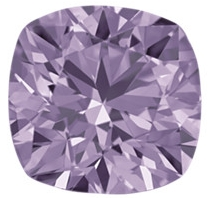
Compare the face-up color with the precise wording on the grading report.
How much do purple lab-grown diamonds cost?
Purple lab-grown diamonds avoid the geological rarity premium of natural purple diamonds, but limited inventory can still make them expensive relative to more common lab-grown colors. Price changes with carat weight, hue, saturation, modifier, shape and seller.
A January 2023 market comparison found purple lab-grown examples from $355 below half a carat to $3,830 around 1.25 carats. The figures illustrate the wide spread between purple diamonds with different sizes and color descriptions; compare current inventory before buying.
For a current comparison, search a narrow carat and shape range and include pinkish-purple, grayish-purple and violet stones. Compare the complete piece instead of drawing an average from only one or two diamonds.
Are there pure purple diamonds?
Yes, but many diamonds described broadly as purple have a modifier. Pinkish purple, grayish purple, reddish purple and brownish purple may be easier to find than an evenly saturated pure purple.
On a report, the final word identifies the dominant color. Pinkish purple is mainly purple; purplish pink is mainly pink.
Purple versus violet diamonds
Purple and violet are separate hues in fancy-color grading, even though retail descriptions sometimes blur them together. Violet generally appears cooler and bluer; purple combines red and blue more visibly. Compare the full report wording rather than relying on the product title.
Is it a purple lab-grown diamond?
Color is not an origin test. Use the photograph to choose a shade, then use the report and matching inscription to confirm that the diamond is laboratory-grown.
Why buy a lab-grown purple diamond?
Purple is distinctive and works well in vintage, floral and halo designs. White gold or platinum keeps it cool, while rose gold draws out pink and red modifiers. A halo of colorless diamonds can make a lighter purple center look stronger.
Shape matters because purple inventory is limited and color distribution can be uneven. Radiant and cushion cuts often emphasize saturation, while ovals and pears can give a larger face-up outline. Step cuts can be elegant, but their broad facets make zoning and inclusions easier to see. Judge the actual video rather than choosing a shape name alone.
Tips for buying purple lab-grown diamonds
- Search pink, violet and gray modifiers as well as purple.
- Compare videos in more than one lighting condition.
- Look at face-up dimensions, not only carat weight.
- Choose an eye-clean clarity grade instead of automatically paying for VVS.
- Confirm that the report number matches the listing or girdle inscription.
Where to buy purple lab-created diamonds
Colored-diamond inventories change quickly, so compare the exact hue, intensity and grading report. These jewelers offer different strengths in loose-diamond value, finished jewelry and showroom support.
| Jeweler | Best for | Our rating | Shop purple lab-grown diamonds |
|---|---|---|---|
| Ritani | Loose colored diamonds, lower prices and detailed comparison | 4.7/5 | See at Ritani |
| Brilliant Earth | Premium settings, showrooms and design assistance | 4.5/5 | See at Brilliant Earth |
| Grown Brilliance | Finished fancy-color jewelry and distinctive designs | 4.5/5 | See at Grown Brilliance |
Purple lab-grown diamond FAQ
Are purple lab-grown diamonds treated?
Many receive post-growth treatment, but treatment history varies. Read the report for the individual stone.
Are purple and violet the same color?
No. They are related but distinct hues in diamond color descriptions.
Can you identify a lab-grown purple diamond from a photograph?
No. A photograph helps you select a shade; the grading report establishes origin and treatment.
Questions and experiences
Join the discussion
Ask a question or share your experience. We review comments before publishing them.