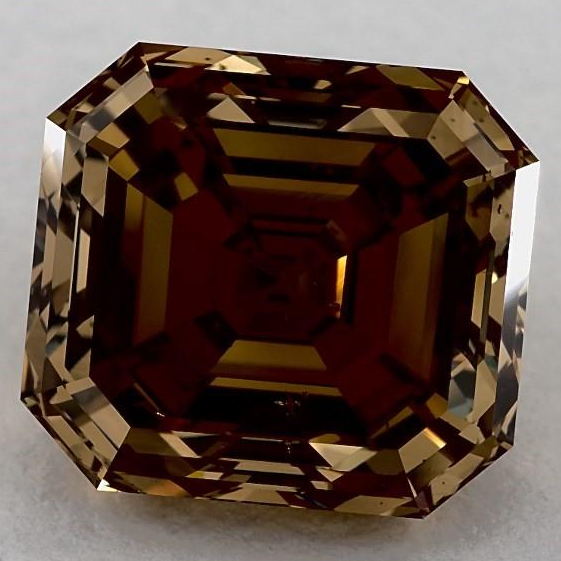





Brown lab-grown diamonds: the short answer
Brown lab-grown diamonds are real diamonds with colors ranging from pale beige and champagne to warm chocolate and cognac. Retail names are descriptive rather than standardized grades, so use the laboratory report’s full color description when comparing stones.
Brown can be beautiful rather than simply a lower color grade. The distinction is intent: a fancy-brown diamond is chosen for noticeable color, while a D-to-Z diamond is usually judged by how little yellow or brown tint it shows.
We compare colored diamonds using the full grading description, videos, measurements and current prices—not the seller's color label alone. We also consider the finished setting because metal color and surrounding diamonds can change how warm or saturated a brown center appears.
Compare brown lab-grown diamonds at Ritani
How do brown diamonds get their color?
Brown color can result from distortions in the diamond crystal lattice. Laboratory-grown stones may also show color related to growth conditions or post-growth treatment. The report should identify laboratory-grown origin and note detectable treatment.
Color descriptions often include modifiers such as yellowish brown, orangy brown, pinkish brown or grayish brown. The final word names the dominant color: an orangy-brown diamond is mainly brown.
Champagne, cognac and chocolate diamonds
Champagne usually describes lighter golden-brown shades, while cognac suggests deeper orange-brown. “Chocolate diamond” is a marketing term, not a separate diamond variety or a universal grading category.
Use those names to find a look you like, then compare the report, video and face-up measurements. Two stones sold as champagne can appear quite different.
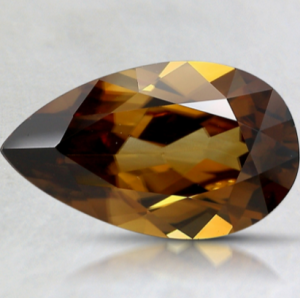
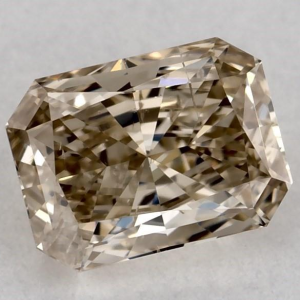
Retail color names are descriptive. Use the grading report for the complete color wording.
Are brown lab-grown diamonds rare?
Brown is less common in lab-grown retail inventories than colorless stones, but it does not carry the geological rarity of an unusual mined fancy-color diamond. Attractive saturated shades can still be difficult to find in a particular shape and size.
How much do brown lab-grown diamonds cost?
Price depends on carat weight, strength and appeal of color, modifiers, clarity, shape and seller. A fixed price range becomes stale quickly, particularly when only a few matching stones are available.
Compare like with like: keep carat and shape close, read the complete color description, open the grading report and include the setting in the total.
Brown diamond engagement-ring ideas
- Yellow or rose gold complements warm champagne and cognac tones.
- White metal creates stronger contrast around a brown center stone.
- A colorless halo can make the center color appear richer.
- Cushion, radiant, oval and pear cuts often display broad areas of color.
- Vintage and nature-inspired settings suit earthy shades particularly well.
Should you choose a brown lab-grown diamond?
A brown lab-grown diamond is a good choice when you genuinely prefer a warm champagne, cognac or earthy center stone. It can feel less conventional than a colorless diamond while remaining versatile enough for everyday jewelry. Lab-grown production also makes it possible to compare distinctive colors without the rarity premium attached to exceptional mined fancy-color diamonds.
Choose a colorless or brighter fancy-color diamond instead if you want strong white sparkle or a vivid pink, blue or yellow appearance. With brown diamonds, the appeal comes from the precise shade and how it works with the setting—not from buying the highest grade on paper.
Tips for buying a brown lab-grown diamond
- Judge the face-up color in video, not from the filter name alone.
- Compare dimensions as well as carat weight.
- Look for an eye-clean stone instead of automatically paying for very high clarity.
- Check whether the color is even across the face of the diamond.
- View the stone against the metal color you plan to use.
Where to buy brown lab-grown diamonds
Colored-diamond inventories change quickly, so compare the exact hue, intensity and grading report. These jewelers offer different strengths in loose-diamond value, finished jewelry and showroom support.
| Jeweler | Best for | Our rating | Shop |
|---|---|---|---|
| Ritani | Prices, loose-diamond selection and value | 4.7/5 | See at Ritani |
| Brilliant Earth | Premium settings, showrooms and guided shopping | 4.5/5 | See at Brilliant Earth |
| Grown Brilliance | Finished jewelry and distinctive ring designs | 4.5/5 | See at Grown Brilliance |
Ritani
Ritani is our first stop for loose fancy-color lab-grown diamonds because its prices are often low and its search makes comparison straightforward.
Brilliant Earth
Brilliant Earth is worth comparing when setting design, showroom help and the complete ring experience matter more than finding the lowest loose-diamond price.
Grown Brilliance
Grown Brilliance is strongest for finished, design-led lab-grown diamond jewelry and can be useful when you prefer a ready-made piece.
Brown lab-grown diamond FAQ
Is a brown lab-grown diamond a real diamond?
Yes. It has diamond’s carbon crystal structure and physical properties. A grading report can confirm its laboratory-grown origin.
Is champagne an official diamond grade?
No. Champagne is a useful retail description, but compare the full color wording on the report.
Is brown tint bad in a diamond?
Not when you want a brown diamond. In a colorless-style diamond, unwanted tint may lower the color grade; in a fancy-color stone, attractive visible color is the point.
Questions and experiences
Join the discussion
Ask a question or share your experience. We review comments before publishing them.