




How much does a 0.5-carat lab-grown diamond cost?
In our September 2026 comparison, a loose half-carat lab-grown diamond cost $133 to $380 across four sellers. Ritani was the least expensive and With Clarity the most expensive. The seller-balanced typical price was about $288.
We looked for round diamonds from 0.45 to 0.55 carats with E color, VVS2 clarity, and a high cut grade. These are stricter color and clarity grades than most buyers need. The price covers the diamond only, so a ring setting or pair of earring settings costs extra.
At this weight, Ritani is the first place we would check for a loose diamond. Its five lowest qualifying round stones had a middle price of $133, and the cheapest was $129.
Read our Ritani review See half-carat diamonds at Ritani
Half-carat lab-grown diamond prices in 2026
The table combines authorized affiliate feeds with close current public listings. We counted each seller once instead of averaging every listing, because Ritani's enormous low-cost inventory would otherwise dominate the result.
“Typical” is the middle of the seller benchmark prices above. Each seller counts once, so a jeweler with a much larger inventory cannot pull the figure down simply by listing more diamonds.
| Seller and sample | Price | Difference |
|---|---|---|
| RitaniMiddle price of five lower-priced diamonds | $133 | Lowest in our test |
| Brilliant EarthMiddle price of five lower-priced comparable diamonds; grading lab not provided | $270 | 103.0% more |
| Blue Nile0.51 ct current E/VVS2 Excellent-cut result | $305 | 129.3% more |
| With Clarity0.50 ct public D/VVS2 Ideal-cut result | $380 | 185.7% more |
Across the four sellers, the sample column tells you whether the price comes from one listing or the middle of five comparable listings. Grown Brilliance's loose-diamond search begins at one carat, so it is not included in this half-carat comparison.
Is half a carat a good size?
A half-carat round diamond is usually about 5.1 millimeters across. It gives a solitaire ring a delicate, classic look and is large enough to show clear sparkle when the cut is good. A slim band or a halo can make it appear larger without increasing the center-stone weight.
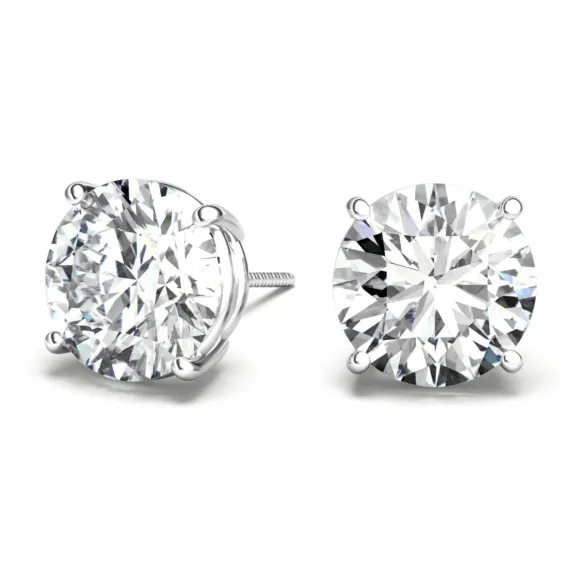
Half a carat is also a particularly useful jewelry size. One stone works well in a pendant, while two half-carat stones make a one-carat-total-weight pair of stud earrings. That distinction matters: earrings advertised as one carat total weight usually contain two diamonds of about 0.5 carats each.
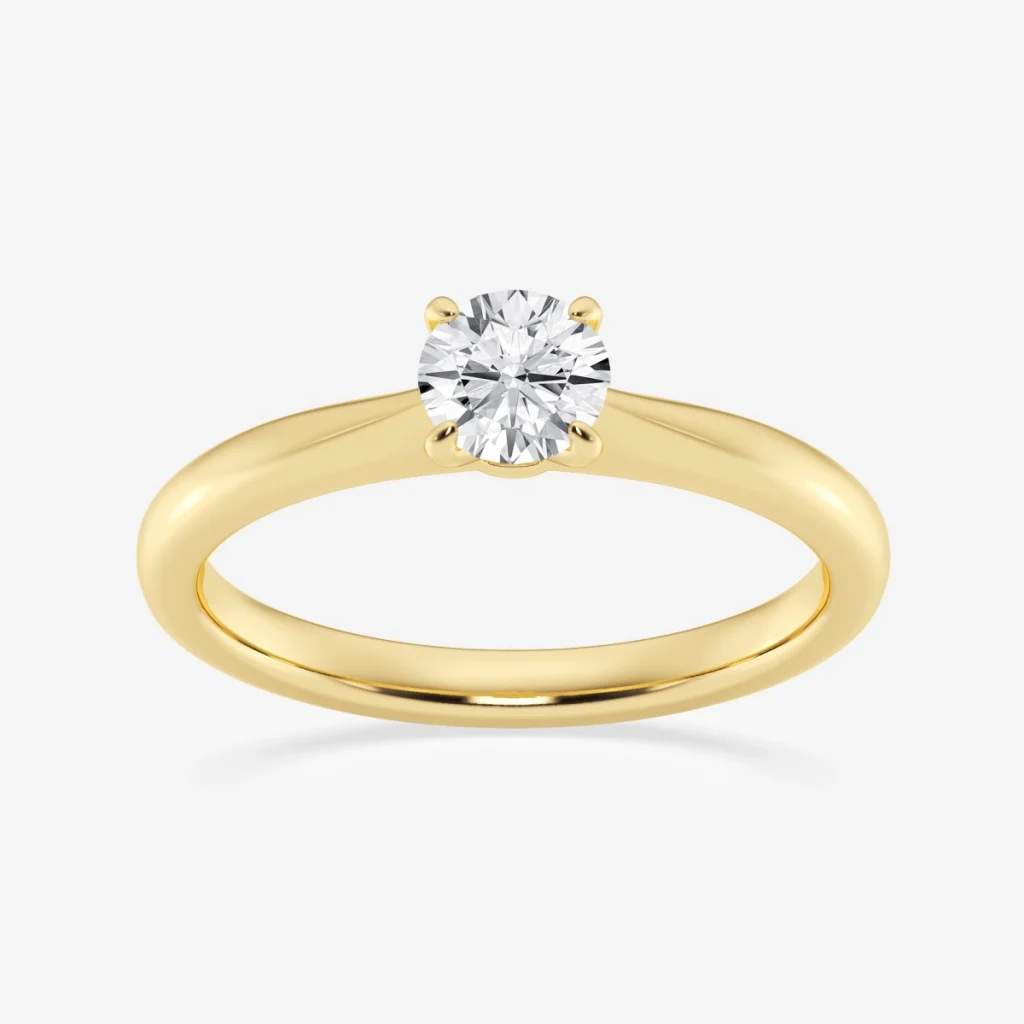
Yellow-gold solitaire from Grown Brilliance
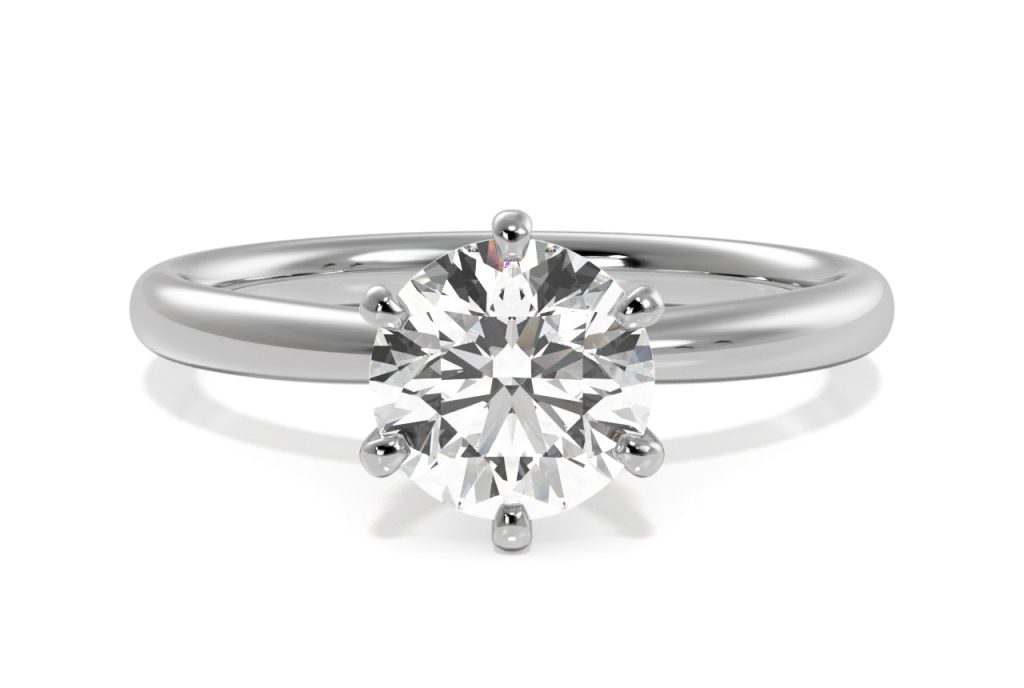
The Ritani six-prong solitaire pictured at the top gives a simpler white-metal alternative.
See solitaire diamonds at Ritani
Compare lab-grown diamond earring prices
What affects the price?
Cut is the first grade we would protect. A well-cut half-carat diamond can look brighter and even larger than a heavier stone with poor proportions. For a round diamond, start with Ideal or Excellent cut, then inspect the actual video and grading report.
E color and VVS2 clarity make the current comparison consistent, but they are not a buying prescription. A well-cut G–H diamond with eye-clean VS1 or VS2 clarity can look just as beautiful to the naked eye and may cost less. At this size, paying for flawless clarity is especially difficult to justify because tiny inclusions are hard to see without magnification.
Search slightly below the headline weight too. A 0.47- or 0.48-carat diamond can look almost identical to a 0.50-carat stone. Compare millimeter measurements, not only carat labels.
Read our guide to the lab-grown diamond 4Cs
Half-carat round versus fancy-shaped diamonds
Fancy shapes can offer excellent value. Ovals, pears, and marquises often look longer than a half-carat round diamond, while emerald and Asscher cuts have a quieter geometric look. Some shapes cost less, but prices move with demand, proportions, and available inventory.
To compare shapes without mixing in different seller markups, we used up to the five lowest qualifying Ritani API results for each of ten shapes. Every diamond was 0.45 to 0.55 carats, E color, VVS2 clarity, and IGI graded. Round diamonds had Ritani's Ideal label; the fancy shapes had Very Good or better cut labels. In total, 1,361 Ritani diamonds met those rules. Only three Asscher diamonds qualified, so that row uses all three.
| Shape | Middle price | Sample range | Cut used |
|---|---|---|---|
| Round | $133 | $129–$134 | Ideal |
| Oval | $136 | $131–$141 | Very Good |
| Emerald | $157 | $145–$162 | Very Good |
| Pear | $125 | $121–$127 | Very Good |
| Marquise | $135 | $129–$143 | Very Good |
| Radiant | $147 | $140–$162 | Very Good |
| Cushion | $181 | $170–$187 | Very Good |
| Princess | $164 | $154–$168 | Very Good |
| Asscher | $181 | $168–$188 | Very Good |
| Heart | $167 | $150–$192 | Very Good |
Pear was the least expensive shape in this sample, with a middle price of $125 among its five lowest qualifying listings. Cushion and Asscher were highest at $181. Only three Asscher diamonds met every rule, so that row uses all three. These are inventory results, not a permanent ranking of shapes.
Current half-carat examples
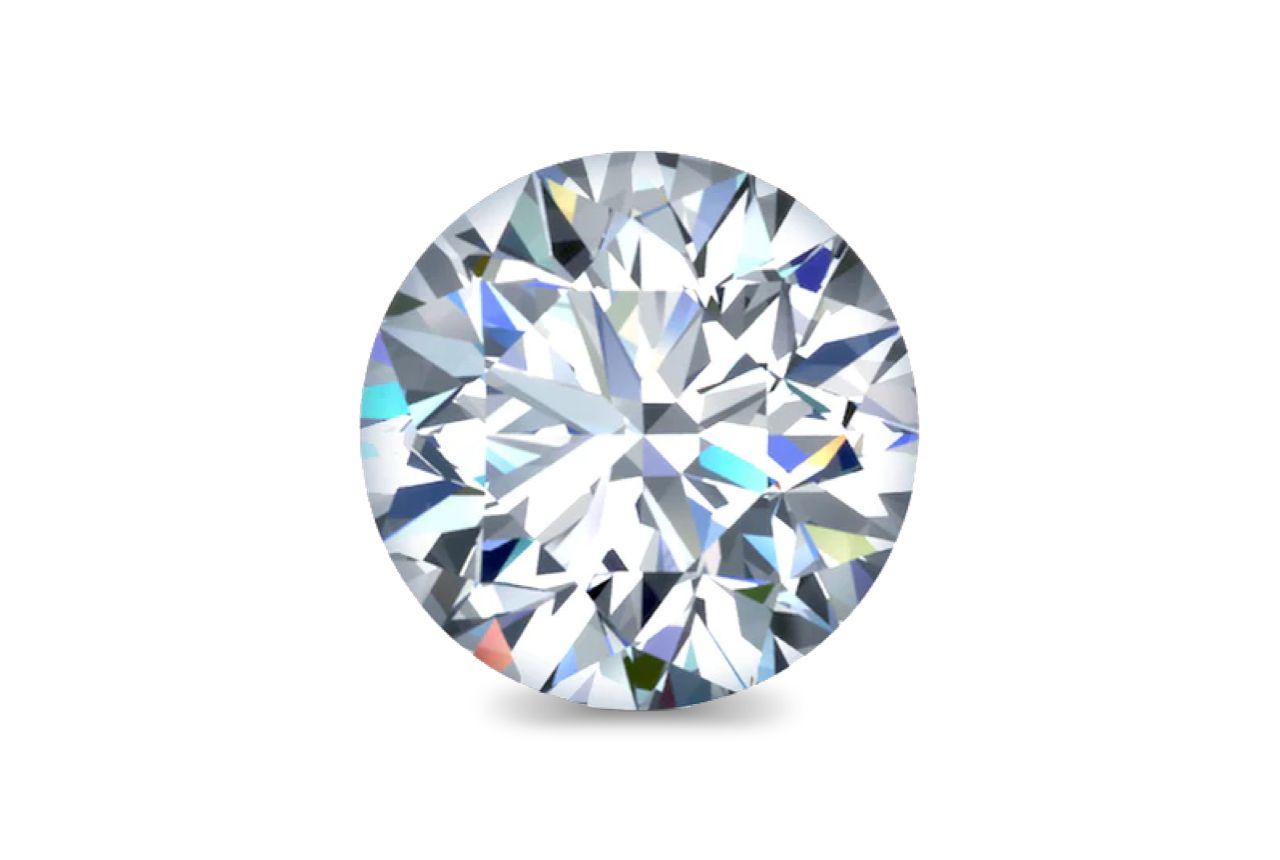
round · IGI
$129
0.48 ct · E · VVS2 · Ideal
Lowest qualifying round result in the API capture.
Visit Ritani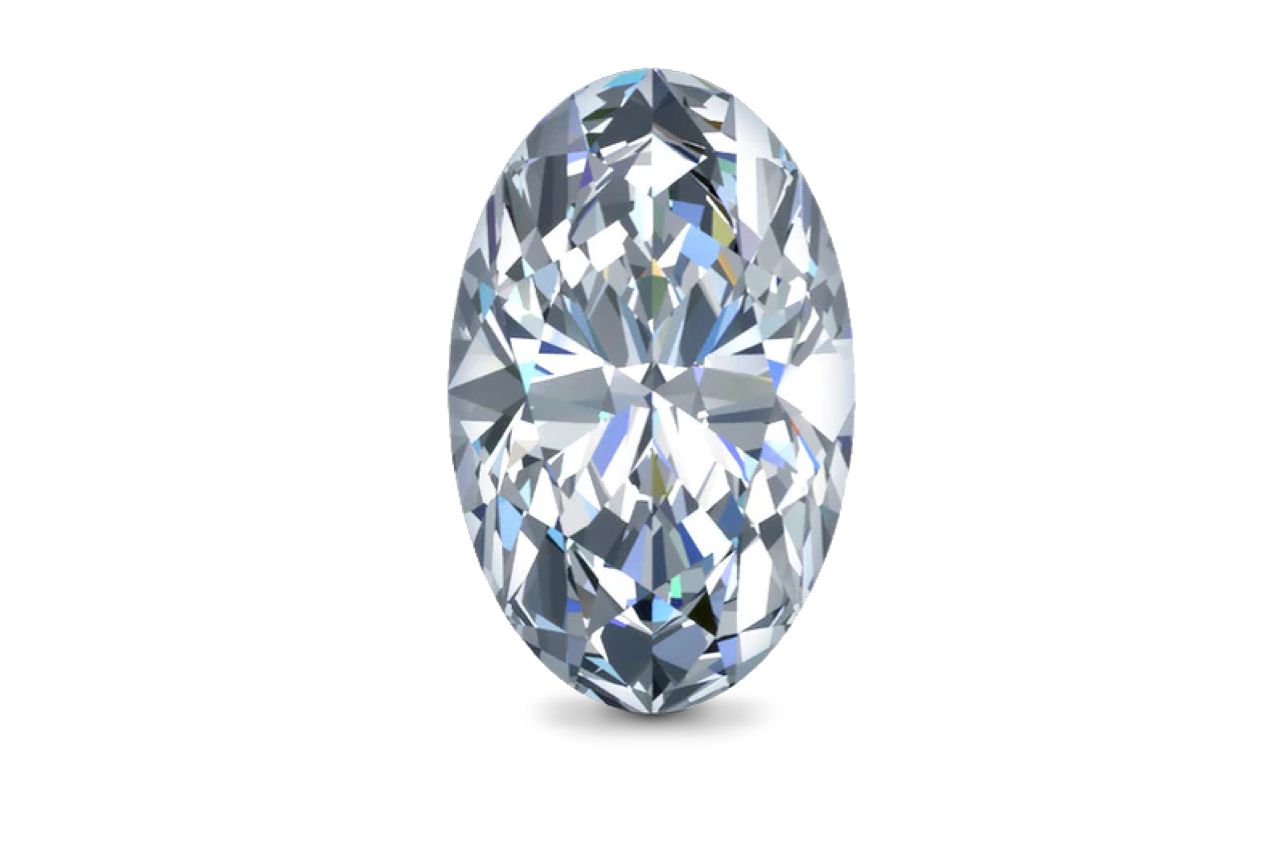
oval · IGI
$131
0.45 ct · E · VVS2 · Very Good
Lowest qualifying oval result in the API capture.
Visit Ritani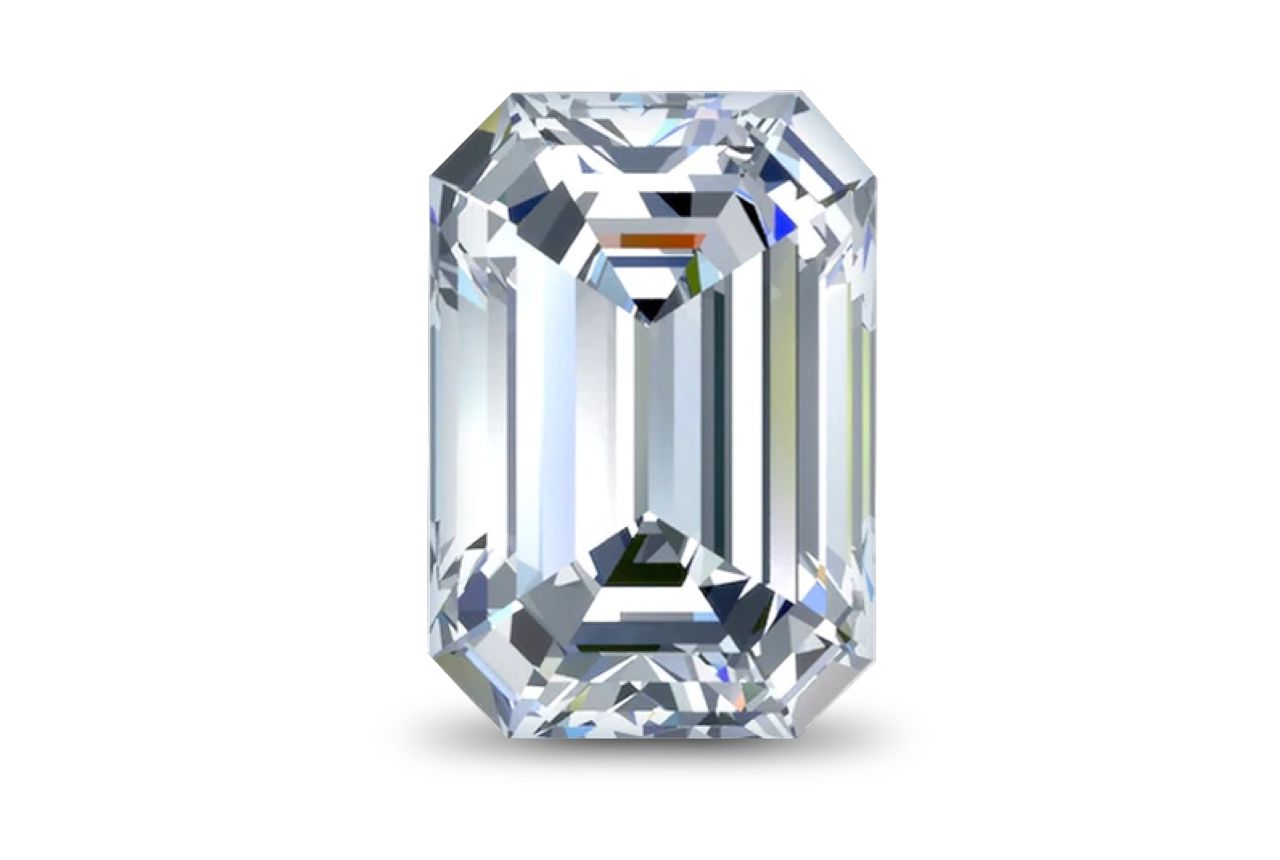
emerald · IGI
$145
0.50 ct · E · VVS2 · Very Good
Lowest qualifying emerald result in the API capture.
Visit Ritani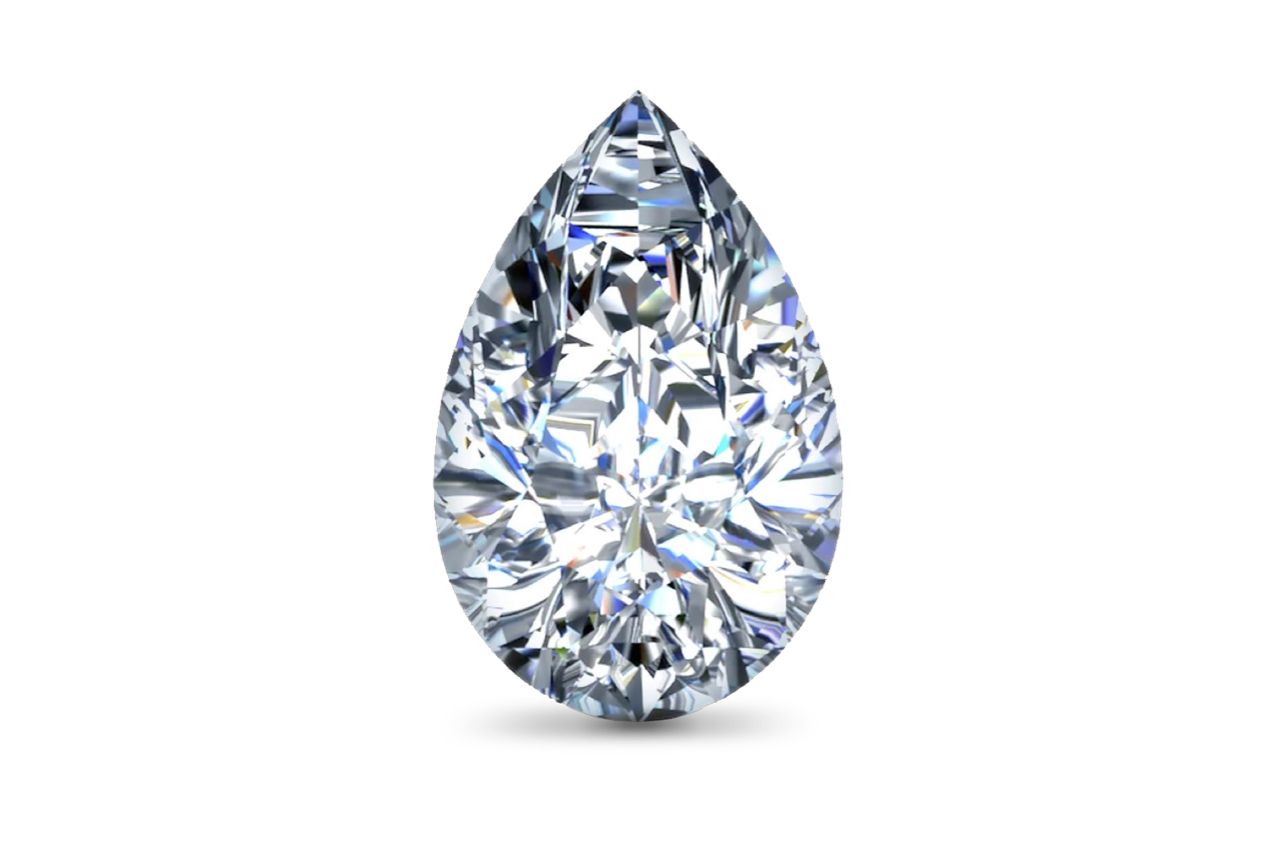
pear · IGI
$121
0.46 ct · E · VVS2 · Very Good
Lowest qualifying pear result in the API capture.
Visit RitaniRitani's catalog images show each diamond shape, not the exact stones in our sample. Listings and prices can change after our check, so confirm the current diamond on the seller's site.
The examples are a starting point. Before ordering, inspect the current video, measurements, and grading report for the exact stone.
What is the best jewelry for a half-carat diamond?
For an engagement ring, we like a simple solitaire, slim pavé band, or a halo that adds coverage around the center. Avoid an overly heavy setting that makes the diamond look crowded. The guide also highlighted half-carat pendants and one-carat-total-weight studs, and those remain some of the most practical uses of this size.
For earrings, match the two stones for visible diameter, color, and cut rather than chasing identical certificate grades. For a pendant, prioritize a bright face-up appearance and secure prongs; the clarity grade is usually less important at normal viewing distance.
Where should you buy a half-carat lab-grown diamond?
Prices can vary widely within the same carat range. Compare the actual diamond, grading report and complete ring price—not only the headline price—before choosing a seller.
| Jeweler | Best for | Our rating | Shop |
|---|---|---|---|
| Ritani | Prices, loose-diamond selection and value | 4.7/5 | See at Ritani |
| Blue Nile | A polished all-round shopping experience | 4.6/5 | See at Blue Nile |
| Brilliant Earth | Premium settings, showrooms and guided shopping | 4.5/5 | See at Brilliant Earth |
Ritani: best starting point for loose-diamond value
Ritani had the lowest current price, a deep searchable inventory, good filters, and clear cost and markup information. It is our first stop when the diamond itself matters more than a branded setting.
Blue Nile: best all-round buying experience
Blue Nile is a strong alternative when you want an easy ring builder, detailed videos, established support, or a showroom. Its inventory now includes the James Allen collection; James Allen no longer operates as a separate store.
Brilliant Earth: best for showrooms and labeled sustainability options
Brilliant Earth cost more in our current sample, but it offers a large showroom network, distinctive settings, and specifically labeled Renewable, Capture, and Sustainably Rated collections.
Are half-carat lab-grown diamonds worth it?
Yes, if you want a real diamond with a refined size and a low loose-stone price. Lab-grown and mined diamonds have the same crystal structure and optical properties. The main practical differences are origin, price, and resale market.
Do not buy a lab-grown diamond as an investment. Resale values are weak and new-diamond prices may keep falling. Environmental performance also varies by producer, so look for specific information about energy, carbon, recycled metal, and traceability instead of assuming every lab-grown stone has the same footprint.
How half-carat prices have changed
Our earlier research found round half-carat prices from $253 to $1,050 across six sellers. The current test uses a narrower, higher-grade target and four close seller benchmarks, so it is not a formal price index. It still shows how dramatically the least expensive offers have moved.
Earlier round-diamond comparison
$253–$1,050
6 sellers · Round diamonds near half a carat, I–J color, VS1–VS2 clarity, and Excellent or Ideal cut; seller ranges rather than one shared aggregation.
September 2026 test
$133–$380
4 sellers · Round diamonds from 0.45 to 0.55 carats, E color, VVS2 clarity, and a high cut grade; IGI grading where the source exposed it.
Earlier studies used I–J color and VS1–VS2 clarity. The 2026 comparisons use E color and VVS2 clarity; each table lists its own cut and grading rules.
See our earlier round-diamond price comparison
Round brilliant lab-grown diamonds close to the target weight; Excellent (GIA) or Ideal (IGI) cut, I–J color and VS1–VS2 clarity.
| Jeweler | Recorded price range |
|---|---|
| Ritani | $253–$303 |
| Grown Brilliance | $355–$465 |
| James Allen | $370–$480 |
| Clean Origin | $425–$446 |
| With Clarity | $452–$572 |
| Brilliant Earth | $490–$1,050 |
These are prices from our earlier seller comparison, not current offers. The Brilliant Earth range included its seller-labeled sustainable collection. James Allen is now a collection at Blue Nile.
See our earlier fancy-shape comparison
Starting prices near half a carat, I–J color, VS1–VS2 clarity, and Very Good or better seller-reported cut.
| Seller | oval | emerald | pear | princess | radiant | cushion | heart |
|---|---|---|---|---|---|---|---|
| Ritani | $405 | $239 | $123 | $186 | $156 | $449 | $400 |
| Clean Origin | $264 | $287 | $286 | $394 | — | $442 | — |
| With Clarity | $321 | $314 | — | $610 | $364 | $460 | — |
| Grown Brilliance | $400 | $455 | $380 | — | $395 | — | — |
| Brilliant Earth | $480 | $450 | $420 | $490 | $470 | $500 | $510 |
| James Allen (historical) | $460 | $610 | $350 | — | $570 | — | $640 |
Our verdict
A close half-carat lab-grown diamond cost $133 to $380 in our September 2026 comparison, with a seller-balanced typical price of about $288. Start at Ritani for price, but compare the finished jewelry total: at this size, the setting can cost several times more than the loose diamond.
Choose cut first, consider G–H color and eye-clean VS clarity, and compare stones just below 0.50 carats. For earrings, remember to check whether the advertised weight is per diamond or total for the pair.
How we researched half-carat prices
We checked US listings on September 3, 2026. The target was 0.45–0.55 carats, E color, VVS2 clarity, and a high cut grade. Ritani's complete filtered API capture produced 1,361 qualifying offers across ten shapes. Brilliant Earth's feed supplied 95 close high-cut round results but does not expose the grading lab. Blue Nile contributed a current E/VVS2 result; With Clarity's closest public match was D/VVS2, one color grade above the target.
The current shape table compares shapes within Ritani, so different seller markups do not distort the result. Only three qualifying Asscher diamonds were available, so that row uses all three rather than five.
To work out a typical price across sellers, we sort their benchmark prices from lowest to highest and take the middle value, or the average of the middle two. Each seller contributes one benchmark, regardless of inventory size.
The complete filtered Ritani API capture produced 1,361 qualifying offers across ten shapes. Its five lowest round prices were $129 to $134. Brilliant Earth's feed produced 95 close high-cut round results; it does not expose the grading lab. Blue Nile contributed a current E/VVS2 result. With Clarity's closest public match was D/VVS2, one color grade above our target, and the row says so.
The earlier seller and shape tables show the prices we recorded then. They used I–J color and VS1–VS2 clarity, which differ from the current comparison grades.
Compare other carat weights
- 0.75-carat lab-grown diamond prices
- 1-carat lab-grown diamond prices
- 1.5-carat lab-grown diamond prices
- 2-carat lab-grown diamond prices
- 3-carat lab-grown diamond prices
- 4-carat lab-grown diamond prices
- 5-carat lab-grown diamond prices
- 6-carat lab-grown diamond prices
Update history
First published in October 2024 and updated as prices changed. The September 2026 update adds new seller prices, a ten-shape comparison and jewelry examples, updates the shopping recommendations, and explains the difference between a half-carat center stone and one-carat-total-weight earrings.
Questions and experiences
Join the discussion
Ask a question or share your experience. We review comments before publishing them.