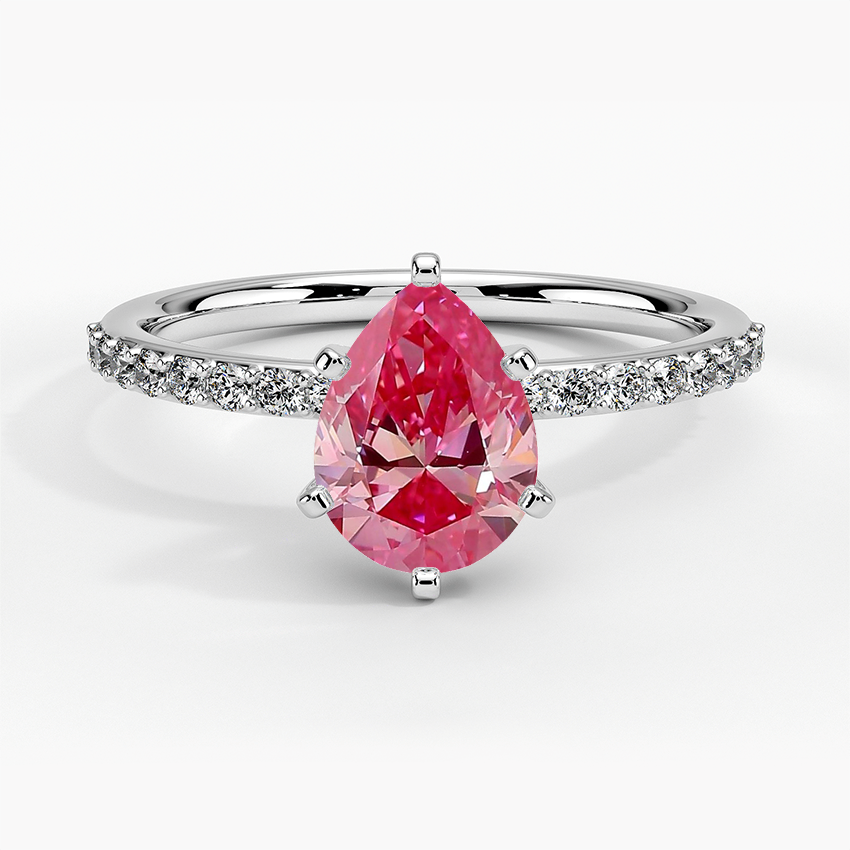





Red lab-grown diamonds: the short answer
Red lab-grown diamonds are real diamonds whose crystal defects absorb light in a way that produces a red or red-modified color. They are visually dramatic and much more affordable than naturally red diamonds, but they are still among the harder lab-grown colors to find.
Buy a red lab-grown diamond for the look, not for natural rarity or resale value. We would compare the hue and face-up video first, then check the report, clarity and proportions. Many stones sold as “red” are purplish red, orangy red or very strong pink; that may be beautiful, but the exact wording matters.
See current colored diamonds at Ritani
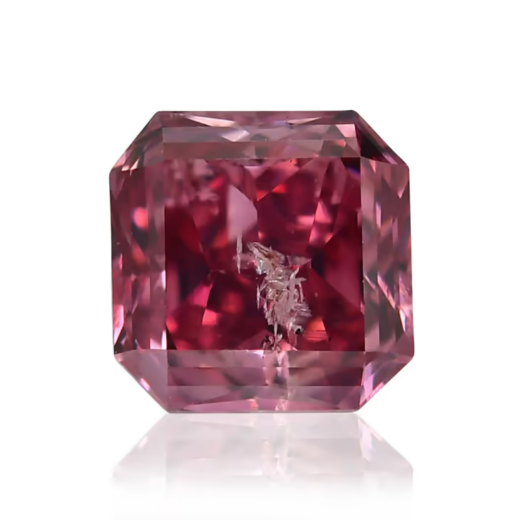
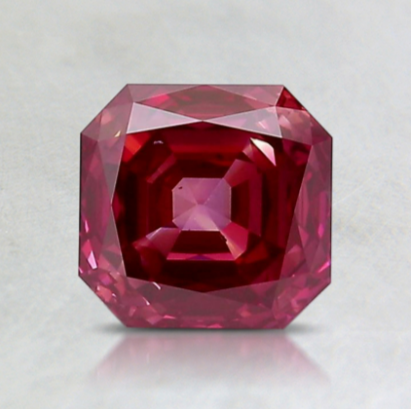
Can you tell which red diamond is lab-grown?
These two diamonds were part of our 2023 research. Try the quiz before reading the answer. The images differ in hue, saturation and inclusions, but none of those details proves where a diamond formed.
Try the visual quiz
Which red diamond is lab-grown?
Choose an origin for each diamond, then see whether the photograph gave you enough information.
Compare current red diamonds at Ritani
Why are red diamonds so rare?
Natural red diamonds are extraordinarily rare. GIA notes that only a handful are known. Unlike blue diamonds colored by boron or yellow diamonds colored by nitrogen, most natural pink-to-red color is associated with distortion in the crystal structure.
That geological rarity is why natural reds belong to a very different market from lab-grown red diamonds. A laboratory can create the relevant color centers deliberately, so a lab-grown red diamond should not be valued as though it carried the scarcity of a naturally red stone.
How do red diamonds get their color?
For natural pink, purple, red and brown diamonds, GIA research links the color in the great majority of studied stones to plastic deformation of the crystal. The precise atomic structure behind the broad pink-to-red absorption is still being studied.
Lab-grown reds commonly reach their color through controlled treatment. Irradiation and annealing can create nitrogen-vacancy centers that produce pink-to-red color. This treatment should be recorded on a reputable laboratory report.
The red lab-grown diamond creation process
A manufacturer first grows diamond by HPHT or CVD. The material may then receive one or more post-growth treatments. GIA has documented CVD- and HPHT-grown pink-to-red diamonds whose final color was produced through combinations of HPHT treatment, irradiation and annealing.
Red lab-grown diamonds do not follow one fixed recipe. Production varies, and some diamonds may have color created during growth as well as after it. Read the individual report rather than inferring the process from the color alone.
How are red lab-grown diamonds graded?
Colored diamonds are described by hue, tone and saturation. A modifying hue comes before the dominant hue: purplish red means the diamond is mainly red with a purple modifier. If the report says pinkish red, red remains dominant; reddish pink is mainly pink.
Natural red is unusual because the GIA color description may simply be Fancy Red, without the sequence of Fancy Light, Fancy Intense and Fancy Vivid used for many other colors. Lab-grown reports can also show very specific color wording, along with growth and treatment information.
Check these items:
- The identification clearly says laboratory-grown diamond.
- The color description matches what the seller advertises.
- Any post-growth treatment is disclosed.
- The report number verifies on the laboratory's own site.
- The stone does not have a dark inclusion or surface-reaching feature that worries you.
GIA's lab-grown colored-diamond report includes a color assessment, plotted clarity diagram, growth type and post-growth treatment assessment. IGI reports are also common in current online inventory.
How much do red lab-grown diamonds cost?
There is no useful single “red diamond price.” Lab-grown prices change with weight, dominant hue, modifier, color strength, clarity, shape and seller. A stone that looks red in a category thumbnail may have a report describing it as pink or purplish pink, so compare like with like.
Red lab-grown diamonds usually cost more than common yellow or blue lab-grown stones because the red selection is smaller. They remain far less expensive than naturally red diamonds, but natural auction prices are not a sensible benchmark for a jewelry purchase.
Our 2023 mined-versus-lab comparison
The comparison paired a 1.32-carat mined purplish-red diamond with a 2.55-carat lab-grown red diamond. They were different sizes and hues, so this was never a controlled price test. It did show how strongly natural rarity affected the asking price.
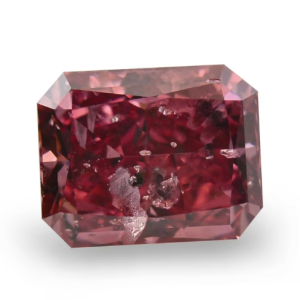
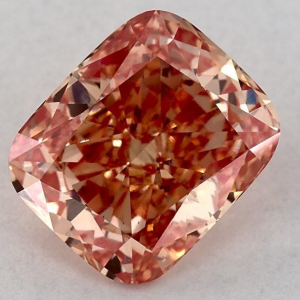
Prices were recorded when this comparison was published. It illustrates the extraordinary rarity premium attached to mined red diamonds.
For a live comparison:
- Filter one seller to red and nearby pink or purple hues.
- Keep shape and carat range similar.
- Open the grading reports and separate red-dominant stones from pink-dominant stones.
- Compare face-up measurements and videos.
- Add the setting before comparing the final price.
Our lab-grown diamond price guides explain why weight, shape and seller need to be controlled in a price comparison. Those colorless-diamond ranges should not be treated as quotes for red diamonds.
Should you buy a red lab-grown diamond?
Yes, if you love the color and want a center stone that will not look like every other engagement ring. Diamond is hard enough for daily jewelry, and red works well with white metal for contrast or yellow and rose gold for a warmer effect.
A red lab-grown diamond is not the right choice if you mainly want rarity, investment value or a close substitute for a famous natural red. Laboratory production changes the scarcity story. It is also worth viewing ruby and red spinel if color matters more to you than owning a diamond.
Red lab-grown diamond ring examples
The setting can make a red diamond feel warmer, cooler or more dramatic. These two examples show the difference between yellow gold and a white-metal pavé setting.
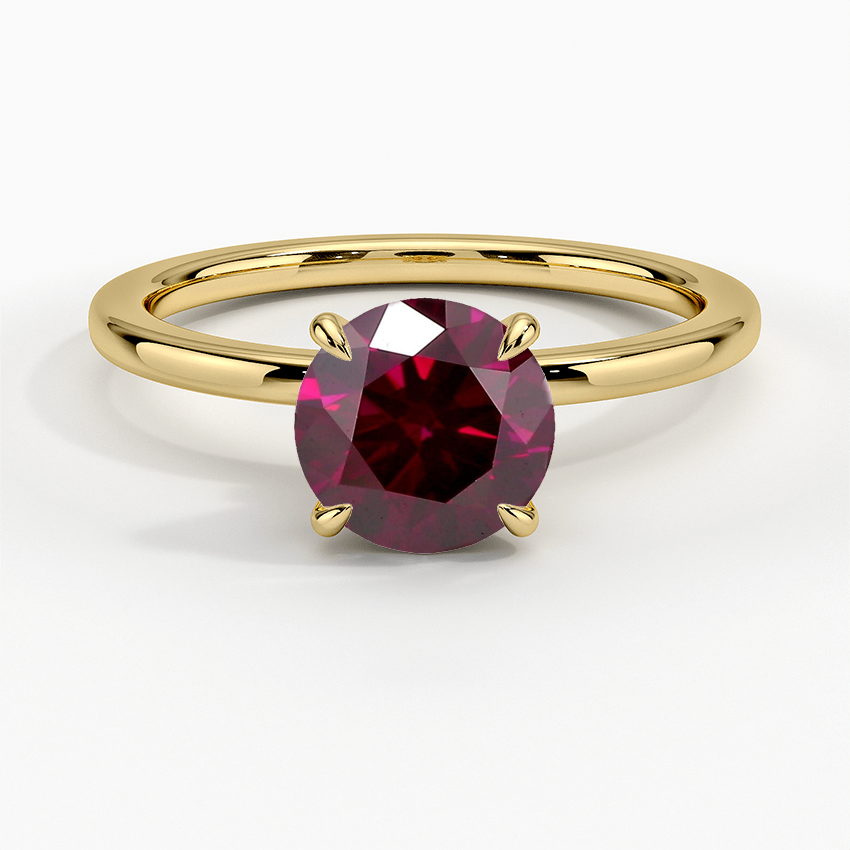
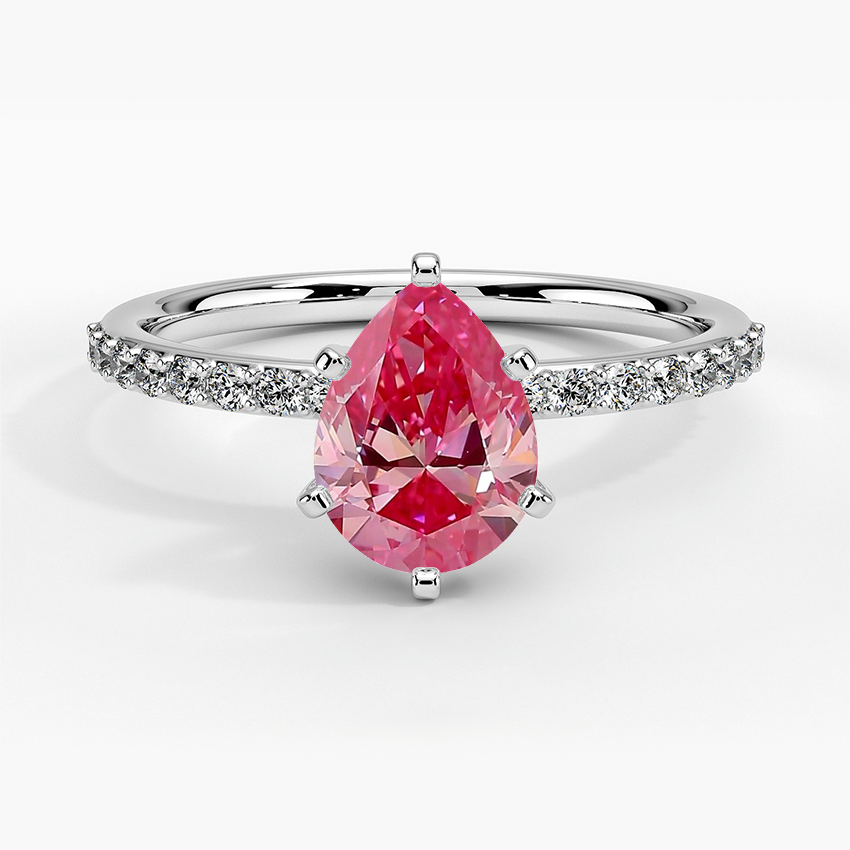
These examples show how metal color and side diamonds change the overall look.
See current colored-diamond jewelry at Brilliant Earth
Tips for saving on red lab-grown diamonds
- Compare red-adjacent hues. Purplish red, reddish pink and orangy red can look just as striking and may give you more choice.
- Do not overpay for clarity. An eye-clean VS or SI stone can be a better buy than VVS, provided the inclusions do not affect appearance or durability.
- Compare nearby weights. A 0.90-carat diamond can look very close to a one-carat stone when the measurements are strong.
- Use the setting to support the color. A colorless halo or white prongs can increase contrast; warm metal can enrich an orangy or pinkish red.
- Open the report before falling for the category label. Seller filters and laboratory color descriptions are not always identical.
- Check the return policy. Red is unusually sensitive to screen and lighting differences.
Where to buy red lab-grown diamonds
Colored-diamond inventories change quickly, so compare the exact hue, intensity and grading report. These jewelers offer different strengths in loose-diamond value, finished jewelry and showroom support.
Current inventory changes quickly. At the time of this 2026 check, Ritani and Brilliant Earth both maintained dedicated colored lab-grown diamond searches that included red, while the number of suitable red-dominant stones varied from day to day.
| Jeweler | Best for | Our rating | Shop |
|---|---|---|---|
| Ritani | Prices, loose-diamond selection and value | 4.7/5 | See at Ritani |
| Brilliant Earth | Premium settings, showrooms and guided shopping | 4.5/5 | See at Brilliant Earth |
Ritani
Ritani is our first comparison because its colored lab-grown inventory is broad and its prices are often low. Filter to red, then widen the search to pink and purple so you can compare modifiers and avoid paying for a label you do not visually prefer.
Brilliant Earth
Brilliant Earth is useful when you want the loose stone, setting and showroom experience in one purchase. It usually costs more than Ritani, but its design selection and in-person support can justify the comparison.
The standalone James Allen store has closed, and its collection is now part of Blue Nile. We would not begin there for a loose red lab-grown diamond today, but Blue Nile remains one of our recommended general jewelers.
Red lab-grown diamond FAQ
Are red lab-grown diamonds real diamonds?
Yes. They are diamond material grown in a laboratory, not red cubic zirconia or another simulant. The seller should disclose the laboratory-grown origin clearly.
Is red darker than pink?
Not in the simple way a paint chart works. Red and pink sit on a related color continuum, but the laboratory description also reflects tone, saturation and modifying hues. Use the exact report wording and the face-up appearance.
Questions and experiences
Join the discussion
Ask a question or share your experience. We review comments before publishing them.