In this comparison
Start with Whiteflash if you want to see how a round lab-grown diamond handles light before you buy. Start with Ritani if you want a wide search, a clear view of the price and more room to shop around. I would compare one round from each with its own report and video before settling on the stone.
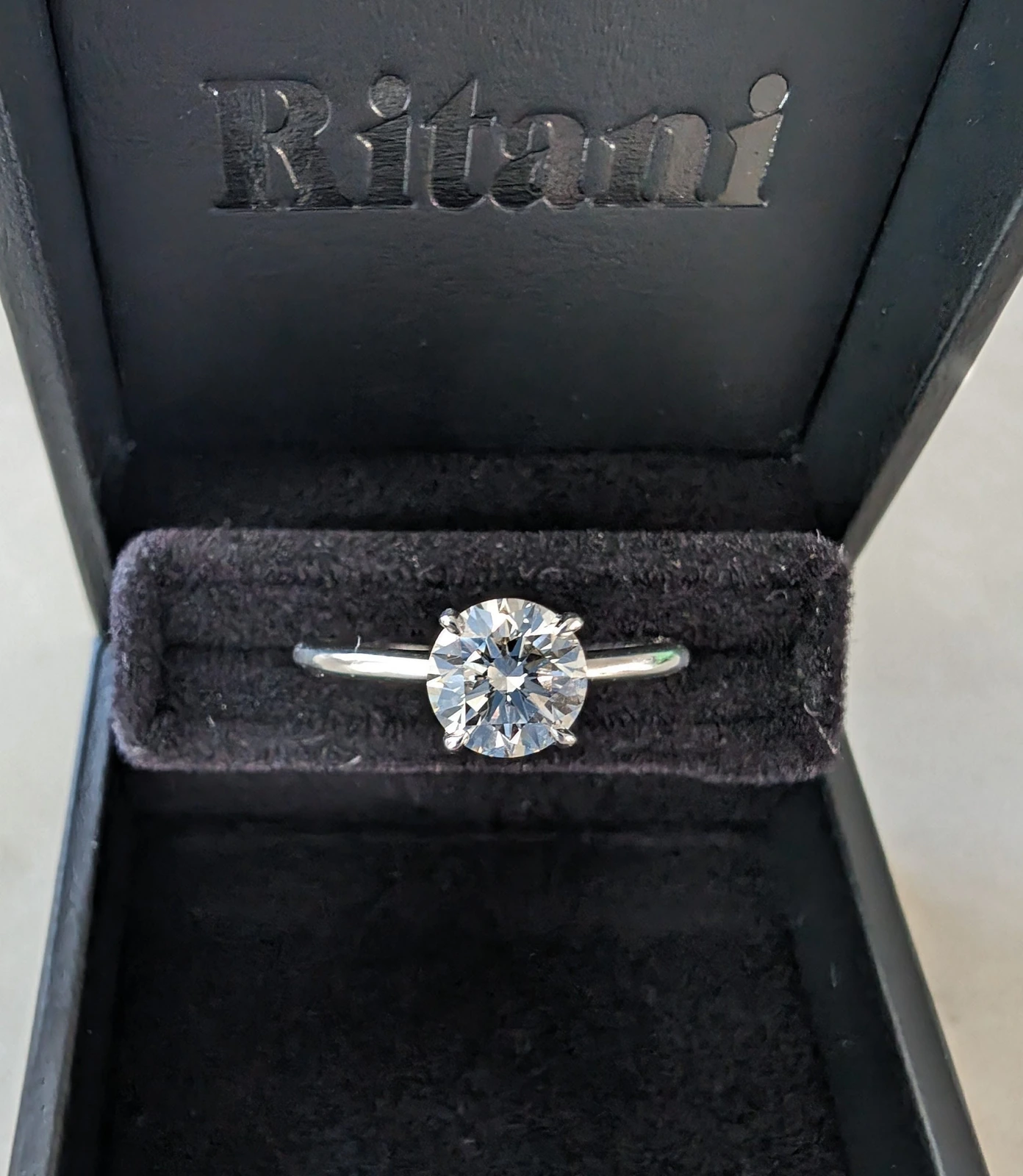
The Whiteflash rounds I checked offered optical images I could use to compare the exact stones. At Ritani, we have also built, bought and handled a finished lab-grown solitaire. Those experiences give us different kinds of evidence about the two jewelers.
Read our Whiteflash review Read our Ritani review
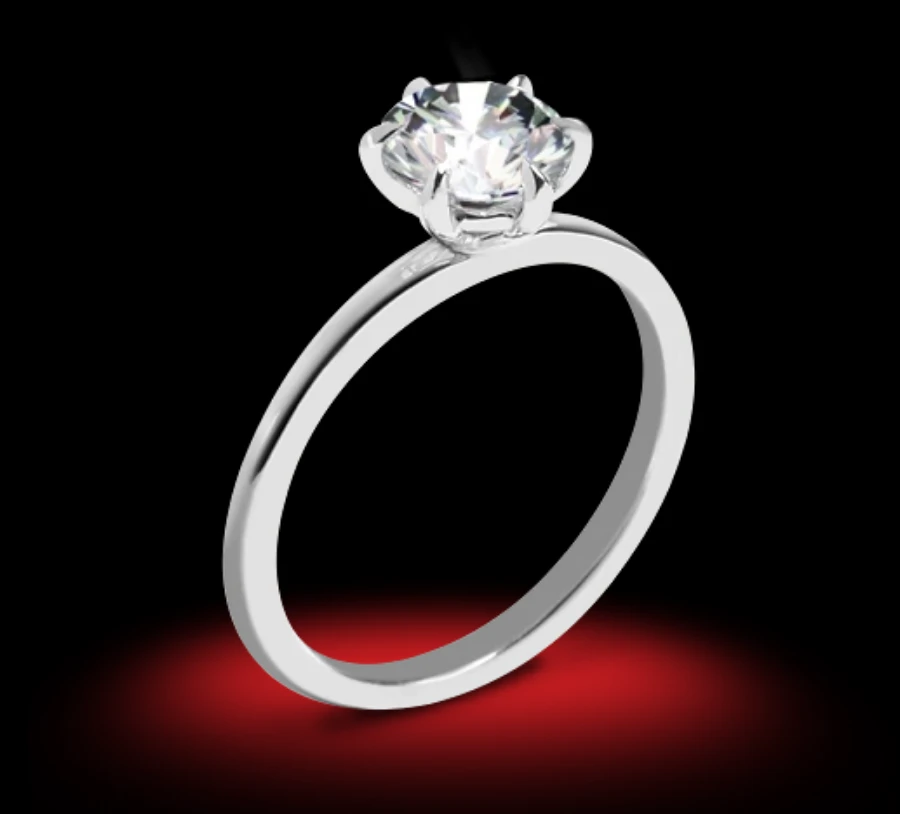
Whiteflash vs. Ritani at a glance
| What matters to you | Whiteflash | Ritani |
|---|---|---|
| Our editorial review rating | 4.2/5 | 4.7/5 |
| Best place to start | In-stock Precision Lab rounds with optical images | Broad search for a loose stone and a setting that fits the budget |
| What we examined | Two branded rounds, their listings, a linked IGI report and a setting price | A finished ring we bought, plus later listing, report and cart checks |
| What you can inspect | Both sampled rounds showed ASET, Ideal-Scope and hearts images | Check the exact listing for actual-stone media and a working report link |
| What to price | Diamond and setting with the same payment method | The available stone and compatible setting as a complete order |
The Whiteflash score covers online shopping and published terms. Ritani’s score draws on wider experience, including a purchase. Start with the difference that matters to you, whether that is the evidence for the cut, the total price or the order terms.
What Whiteflash shows about the cut
Whiteflash gave me more to look at than a grade on a report. The two Precision Lab rounds showed their measurements, videos and stone-specific optical images. I opened the IGI report for the $950 round and could match its grades and measurements to the listing.

Start with the video and see which stone you like. Then use an ASET or Ideal-Scope image to help explain what you saw. ASET shows where light is gathered and where the diamond shows contrast. Ideal-Scope can help you look for areas of light leakage. These are different views of the stone. I would use them to ask a better question about the cut, especially when two candidates look similar on paper. GIA’s guide to ASET
Check the gallery on the exact diamond you want. Our examples were branded rounds. If you are choosing a fancy shape or a stone Whiteflash sources from a supplier, ask what you can see before committing. Whiteflash Precision Lab
What Ritani’s search and our order showed
Ritani sources loose diamonds through wholesale suppliers and shows the diamond cost, fulfillment costs and markup on individual listings. That breakdown makes it easier to see what you are paying for. The search is where I would go to build a shortlist across a price range, then open each candidate’s report and video before deciding. Ritani price transparency
Our completed order was a 1.15-carat lab-grown round solitaire. We liked the stone and the finished ring, and the order arrived with its grading report. In a later listing check we found some report fields that were blank or mislabeled, so open the actual document and match its number and measurements to the listing.
How I would compare two rounds side by side
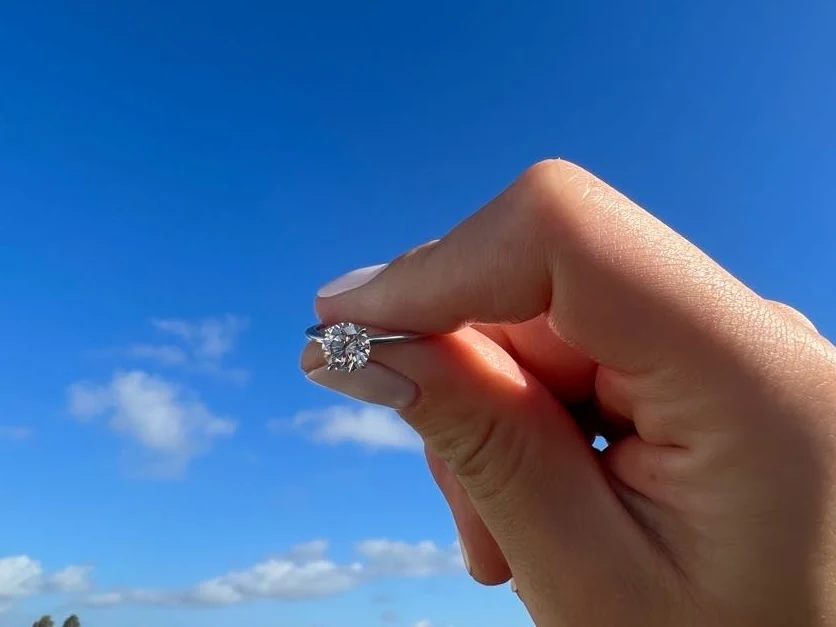
Start with what you see face up. Find two rounds of a similar diameter and watch them turn. If the videos use different lighting or backgrounds, avoid treating the brighter recording as proof that the stone itself is brighter. Use the report to check the dimensions and proportions. If both listings include useful views, take a closer look at how evenly the bright and dark areas change.
The ASET and Ideal-Scope views give Whiteflash an advantage when they help explain a difference you already see. If a Ritani stone looks good on video and has a complete report, the missing optical views may matter less to you. If the listing shows a sample image, ask for media of the specific diamond before making that decision.
| What you want to decide | What to check |
|---|---|
| Which round looks larger on a hand | Compare face-up diameter, then consider how much the setting covers the edge. |
| Whether the report belongs to the pictured diamond | Match the laboratory, report number and measurements to the listing. |
| Whether the extra inspection images are useful | Look for a stone-specific image and ask what its pattern tells you about a difference visible in the video. |
| Whether the cheaper stone leaves room for a better setting | Price compatible mounts in the same metal and check the final height and delivery date. |
Compare the actual diamond and the whole ring price
At Whiteflash, the 1.05-carat D/VVS2 round was $950 and the 1.03-carat D/Flawless was $1,470 on November 7, 2026. Their face-up diameters were nearly identical. I would start with the $950 stone and only spend another $520 if I preferred the more expensive diamond in the actual views. Adding the $750 Valoria solitaire gave me a $1,700 estimate from the two displayed prices before tax. I did not get a combined quote.
Our Ritani ring cost less than $1,000 at the time of that purchase. It was a different diamond and setting, bought at a different time. That figure records what we paid for one ring. It does not tell you what an equivalent Whiteflash ring or a comparable Ritani order would cost today.
For a fair comparison, choose rounds with similar face-up diameters and review their proportions, actual videos and grading reports. A loose Ritani stone sourced through a wholesaler and an in-stock Whiteflash Precision Lab stone can come with different inspection evidence and services. Then add comparable settings and look at the complete quotes, including the payment method, tax, delivery and return costs. Ask which part of the difference you would actually pay for.
Put the quote in writing
For the same budget, I would ask both jewelers to price a plain solitaire in the same metal with a shortlisted round. Write down the diamond report number and dimensions, the setting, and the payment method next to each total. Whiteflash displayed a separate wire price during our check, so compare quotes on the same payment basis. Ask whether resizing or return shipping could change the total cost if the ring is not right.
Compare the dates too. A listing’s shipping estimate for a loose stone can differ from the estimate for an assembled ring. If you want an independent jeweler to inspect the piece, make an appointment that fits the return window before you order.
Plan the inspection before ordering
Whiteflash’s published return window for eligible lab-grown orders is 10 days, and the clock can start when the parcel is available for pickup. Arrange any independent inspection early. Ritani’s main returns page lists 30 days from shipment for eligible US orders. Its pages do not always agree on the exclusions, so ask which terms apply to the exact ring or loose diamond. Whiteflash money-back terms · Ritani returns
Which jeweler would I choose?
If I already wanted a round and could use the optical images to decide between stones, I would include Whiteflash and ask for a full ring quote. If I wanted to see more options within a fixed budget, I would begin at Ritani and check the report and video of every finalist. I would spend more for a visible difference or better evidence when it helps me choose a diamond I want to keep.
Frequently asked questions
Do Ritani and Whiteflash offer reports for lab-grown diamonds?
Our Ritani ring arrived with a grading report, and both Whiteflash samples showed IGI report numbers. Open the report on the actual stone you want and compare its number and measurements with the listing.
Is every Whiteflash lab-grown diamond shown with ASET?
Both Precision Lab rounds we checked had that view. Ask about the specific diamond, particularly if you are considering a fancy shape or a supplier listing.
Which jeweler is cheaper for a finished ring?
It depends on the exact stone and setting. Match the diameter, inspection evidence and setting specifications, then compare the quotes after tax and any applicable fees.
What does an IGI report tell me about sparkle?
A report helps you confirm the diamond’s identity and compare its grades, measurements and proportions. To judge how it looks, watch the actual diamond in motion and use any optical images to understand what you see. For a ring you have received, look at it in ordinary light as well.
How we compared the two
We used the Whiteflash listing and setting checks from our standalone review, our Ritani purchase and follow-up shopping checks, and both retailers’ published terms. The Whiteflash evidence is from shopping online. The Ritani photos and ring observations are from our own order. Whiteflash review · Ritani review
Questions and experiences
Join the discussion
Ask a question or share your experience. We review comments before publishing them.